
Chinese Astrology Explained: Find Your Sign, Element, Compatibility & BaZi Chart
If you've ever gotten conflicting results for the same birthday, you know the frustration. The issue isn't you—it's websites switching calendar rules without explanation. Whether you're here to find your true zodiac sign, understand your element, explore relationship patterns, or dive into a detailed BaZi birth chart, this page provides one consistent, accurate framework from start to finish. No more shifting answers as you click.
- Find your true Chinese zodiac sign with precise guidance for January–February birthdays (Lunar New Year vs Li Chun explained).
- Use our clean zodiac years chart to check zodiac sign by birth year with explicit boundary notes.
- Learn how the Five Elements (Wood, Fire, Earth, Metal, Water) shape your sign's unique "tone" (animal and element together).
- Explore relationship compatibility patterns—supportive matches, common friction points, and clash dynamics with real-life context.
- Go deeper with a BaZi / Four Pillars chart for personality structure, decision style, and life cycle timing (the system behind detailed "birth charts").
- Gain insights from a professional Feng Shui and BaZi consultant with family tradition and modern practice experience.

Start with what you know: your birth year, your birth date, your relationship question, or a desire for deeper chart accuracy. The sections below keep the logic consistent, so your result doesn't shift as you explore. 🧭
Why People Search Chinese Astrology (The Real Reasons)
People don't search for Chinese astrology during smooth seasons. They arrive at crossroads—when the same argument replays with different partners, when opportunities slip away despite effort, or when they feel stuck in a life chapter that won't turn.
In everyday English, Chinese astrology can mean different things—the 12-animal Chinese zodiac, the Five Elements, and the deeper system behind many "birth chart" searches: BaZi (Four Pillars). When websites blend these layers—or change boundary rules without explaining them—results become inconsistent and confusing.
This page gives you a clean starting point so you don't get mixed answers—especially around dates and calendar boundaries that can change results for people born in January and February. If you've ever thought, "Why do different sites give me different Chinese astrology signs?"—this is the missing explanation.
"Why do I keep attracting partners who are emotionally unavailable, even when I choose differently?" "Why does success feel like climbing a mountain only to slide back down every few years?" "My family loves me, but why do I always feel like the outsider?"
These aren't zodiac trivia questions. They're BaZi chart questions. The zodiac introduces the character; BaZi reveals the entire script, acts, and timing of your life's play. Start with your sign for the broad theme, refine with element for "tone," and use BaZi when you want precision: structure, timing, and repeatable pattern logic you can apply to real decisions.
Ethan: Your Guide in Chinese Metaphysics
I'm Ethan—a Feng Shui Master and Chinese metaphysics consultant working with clients worldwide. My practice combines BaZi (Four Pillars) and I Ching to support real decisions—especially when life feels stuck, relationships repeat the same pattern, or timing seems "off" no matter how hard you try.
From Family Tradition to Professional Practice
I grew up in a family where I Ching divination, BaZi, and Feng Shui were part of daily life. My elders used Liu Yao, Plum Blossom Numerology, and traditional Feng Shui to help people choose homes, understand timing, and ease relationship tension. From childhood, I was drawn to how these lines, numbers, and spatial patterns reveal the "weather" of a situation.
My work is not about superstition. It's about reading three layers with precision:
- Structure: What's shaping the situation (your BaZi chart's innate patterns)
- Timing: What phase you're in (your current luck pillars and annual cycles)
- Environment: What your space is reinforcing (Feng Shui adjustments)
Through BaZi readings, I Ching readings, and practical Feng Shui consultations, you'll leave with clearer priorities—and a next step that feels steady, not forced.
As I matured, I studied these arts seriously—reading classical texts, learning from teachers, and analyzing real cases. Over time, I refined my work in I Ching divination, BaZi chart reading, and residential and business Feng Shui, always seeking clear ways to explain these systems to those new to Chinese culture.
Today, I mainly serve clients who are navigating turning points in love, family, or career. I don't promise miracles. I use I Ching, BaZi, and Feng Shui to clarify structure, timing, and choices, helping you make calmer and wiser decisions. These are not superstitions, but precise tools for structure and clarity.
Choose Your Question—Get the Right Answer with One Consistent Rule-Set
Each option below answers one specific question using consistent definitions and calendar logic. That's how you avoid the common "site-to-site" confusion around Chinese astrology signs, years, and dates.
Best for year-only lookups. Quickly check the zodiac year and signs by year in one place—with boundary notes for the few dates that can change results.
View the Chinese Astrology Years ChartThe best option for January–February birthdays and anyone who has seen conflicting results across websites.
Use the Zodiac Sign CalculatorGet the current answer—plus when the year begins and which boundary rule is being used.
Check This Year's Chinese ZodiacExplore supportive matches, common clashes, and why certain pairings feel magnetic—or emotionally draining.
Explore Compatibility HubUnderstand your element and how animal and element combinations shape temperament, pace, and relationship tone.
Find Your ElementFor deeper accuracy: personality structure, decision style, and timing cycles based on year/month/day/hour pillars.
Explore BaZi (Four Pillars)Know your birth date? Use the calculator (best for January–February birthdays). Only know your year? Use the Years Chart. Want the current answer? Use the this-year page for dates and boundary context.
If the question is relationship-focused, compatibility is a practical entry. BaZi is the upgrade when timing and deeper structure matter.
Chinese Astrology Meaning: Beyond Superstition
People often search "what is Chinese astrology" or "Chinese astrology meaning" because they want to know whether it's just tradition—or whether it can actually help in real life. Used well, it gives you language for patterns you already feel but can't always name: what happens to you under pressure, what kind of connection makes you feel safe, what kind of conflict shuts you down, and why some years feel like momentum while others feel like friction.
If you only want a quick description, the Chinese zodiac (12 animals) is a clear entry. If the description "kind of fits but not fully," the missing layer is often the element—your Chinese astrology animal and element together. And if your question is specific and high-stakes—timing, major decisions, repeating relationship dynamics—then a BaZi birth chart (Four Pillars of Destiny) is the deeper system designed for that level of detail.
What it doesn't do is replace your choices. It isn't meant to remove responsibility or turn life into superstition. The strongest use is practical: you see the pattern clearly, and then you change how you move inside it.
Think of it like resolution. Your sign gives the broad theme. Your element changes the tone. BaZi explains structure: year/month/day/hour pillars and timing cycles.
Chinese Astrology Symbols and Animals: The Zodiac Wheel Explained
The most recognizable symbols in this system are the 12 zodiac animals: Rat, Ox, Tiger, Rabbit, Dragon, Snake, Horse, Goat/Sheep, Monkey, Rooster, Dog, Pig. You'll often see them arranged as a zodiac wheel (sometimes called a Chinese astrology wheel), because the cycle repeats in order across time. The practical value isn't "fate"—it's pattern language: drive vs patience, intensity vs steadiness, speed vs depth.
You're not memorizing a myth—you're noticing patterns: who moves fast, who needs stability, who protects their freedom, who prefers depth, who leads, who adapts. In daily life, this shows up as communication style, conflict style, and what kind of relationship feels secure.
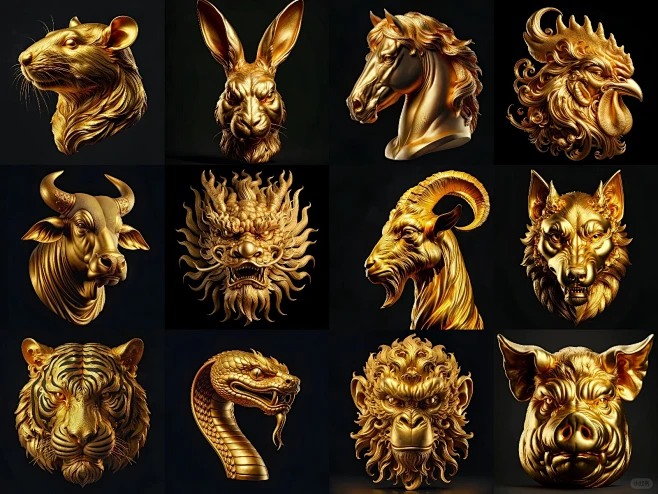
A Chinese astrology wheel is a simple way to visualize the 12 animal cycle. For accuracy, always pair symbols with the correct Chinese astrology dates and boundary rule.
You may hear a "race story" that explains the ordering of the animals. Whether you treat it as folklore or cultural memory, it's one reason the system stays popular: it's easy to remember, easy to share, and it gives people a first entry point.
The long-term value comes from structure: sign for the theme, element for the tone, and BaZi for timing and deeper pattern logic.
Chinese Astrology Signs Chart and Chart by Year: The Fastest Way to Find Your Sign
If you searched for a Chinese astrology signs chart, a Chinese astrology chart, or a Chinese astrology chart by year, you're usually trying to do one of two things: (1) check a sign quickly using a birth year, or (2) confirm a sign when results conflict.
For quick lookups, use our zodiac years chart. It's built for "signs by year" searches, and it highlights the most common edge case: if you were born in late January or early February, a year-only chart can point to the wrong animal unless you check the boundary rule.
By Year (Quick)
Best for "Chinese astrology year / years" lookups. Use the Years Chart for signs by year.
By Birth Date (Accurate)
Best for "What's my Chinese zodiac sign?" especially for January–February birthdays.
By System Depth
Zodiac → Element → BaZi (birth chart) when you need structure and timing cycles.
First: using a "sign by year" chart for a January–February birthday without checking the zodiac-year boundary. Second: mixing layers—reading BaZi pillars (month/hour) as if they were the 12-animal zodiac.
Chinese Astrology Calendar and Dates: Why January–February (and "December") Searches Get Confusing
A large percentage of conflicting results come down to date boundaries. If you are checking your 12-animal zodiac sign (the everyday "what sign am I?" question), the zodiac year switches at Lunar New Year—not January 1. If you are checking the BaZi / Four Pillars year pillar (the sexagenary year used in a birth chart), many systems switch the year at Li Chun (Start of Spring). Li Chun is a solar term used as a year boundary in many BaZi systems.
You'll also see searches like Chinese astrology December or "month signs." In everyday English, "month sign" can sound like it belongs to the 12 animals. In traditional chart methods, month and hour are chart structure (pillars), not extra "animal signs." That's why we keep the pages separate: year-based chart, date-based calculator, and BaZi for month/hour pillars.
For a clean answer without confusion: use the birth-date calculator. For a map of the years: use our zodiac years chart. For month pillars and birth-time (hour) pillars explained in a grounded way: BaZi is the correct system.
"Month signs" usually means (1) a seasonal "month influence" someone saw online, or (2) the month pillar in a BaZi chart. "Chinese astrology hours" almost always means the birth-time (hour) pillar—also a BaZi concept.
If you only want your zodiac animal sign, you do not need month or hour. If you want deeper precision and timing, month and hour pillars can add meaningful detail.
Chinese Astrology Dating: Why Some Matches Feel Magnetic (and Some Feel Exhausting)
Many visitors aren't looking for a label—they're looking for relief. The pain is the loop: the same argument pattern, the same push–pull dynamic, or the same feeling of doing all the emotional work.
Even at a simple zodiac level, compatibility can describe recurring dynamics: who needs freedom, who needs reassurance, who moves quickly, who prefers slow trust, who avoids conflict, who confronts it. That's why "Chinese astrology match" and "enemy signs" searches are so common—people want a map for relationships.
The grounded use is simple: not a verdict—an early pattern preview. Awareness doesn't replace effort, but it can stop you from repeating the same mistake with a different face. For deeper relationship timing (why a certain year triggered a breakup, why another year created a turning point), BaZi becomes the upgrade layer.
Scenario 1: You keep attracting partners who feel exciting, but you can't build stability.
Scenario 2: You attract stable partners, but you feel emotionally unseen and start pulling away.
Scenario 3: You and your partner are loyal, but the same argument repeats with no resolution.
Compatibility helps you name the pattern. Element explains why "same sign" people can feel different. BaZi explains timing and deeper structure (what triggers you, what supports you, what drains you).
In English search, "Chinese astrology horoscope" usually means a yearly outlook by zodiac sign. For a directory, go to the 2026 hub and choose your sign. For year meaning (zodiac + element theme), use the 2026 explanation page.
What "Chinese Astrology" Includes—Without Mixing Systems
Many pages blur definitions. Here's a clean framework: start with the Zodiac, refine with the Five Elements, and use BaZi for precision and timing. This keeps your results stable—and your interpretation useful.
Great for a quick, high-level snapshot: identity themes and broad compatibility patterns. This is the most common meaning of "Chinese astrology signs."
Start with Your Zodiac SignElements explain why people with the same animal sign can feel surprisingly different—especially across different decades. In practice, the element is part of the 60-year cycle that changes the "tone" of the same animal over time.
Learn About Your ElementThe deeper layer behind most "Chinese astrology birth chart" searches—useful for structure, personality dynamics, and timing cycles. This is where "why now?" questions get clearer.
Go Deeper with a BaZi Chart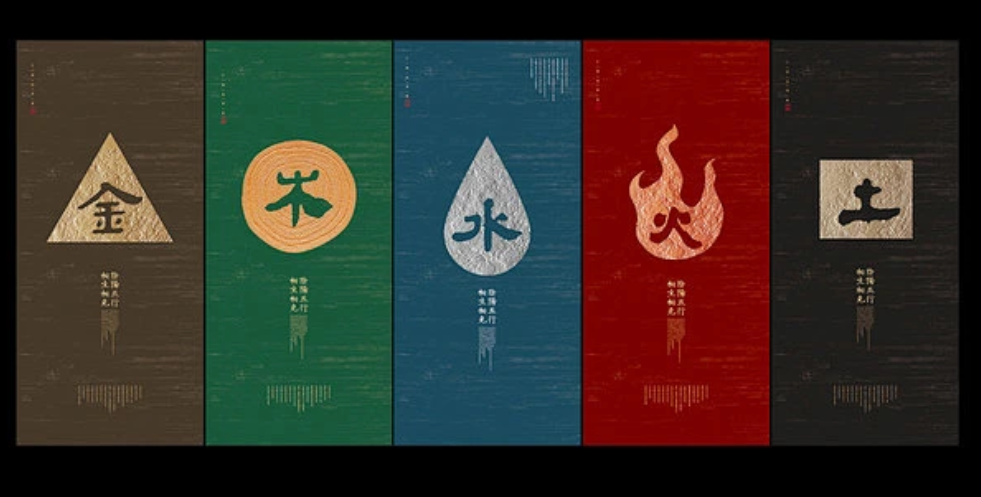
If the animal sign "fits... but not completely," the missing layer is often your element—or a BaZi chart if you want more precision.
Chinese astrology sign usually means the zodiac animal (12 animals). Chinese astrology zodiac commonly means the same thing in everyday English. Chinese astrology birth chart most often points to BaZi / Four Pillars.
Chinese Astrology Dates: Why Results Change in January and February
Conflicting results are usually not random—they come from using the wrong boundary for the question you're asking. Here is the clean rule-set we use on this site: for the 12-animal Chinese zodiac (what sign am I?), we switch the zodiac year at Lunar New Year; for BaZi / Four Pillars year pillar (sexagenary year used in a birth chart), many systems switch at Li Chun (Start of Spring).
Example (2026): Li Chun is Feb 4, 2026, while Lunar New Year is Feb 17, 2026. If you were born in early February, you can see two answers online because different sites are answering different questions.
Most common "two answers" window: early–mid February. Zodiac animal → Lunar New Year. BaZi year pillar → Li Chun.
Use this for the everyday Chinese zodiac sign (12 animals) and year-based lookups. This is the boundary your "what sign am I?" question usually needs.
Use this for BaZi / Four Pillars year pillar (sexagenary year) and deeper calendrical methods. This is the boundary most "birth chart" accuracy questions point to.
If you care about accuracy, consistency matters more than "more information." That's why we separate: years chart (by year), calculator (by date), and BaZi (for month/hour pillars and deeper structure). It keeps the Chinese astrology calendar logic stable—so your Chinese astrology dates don't shift depending on where you click.
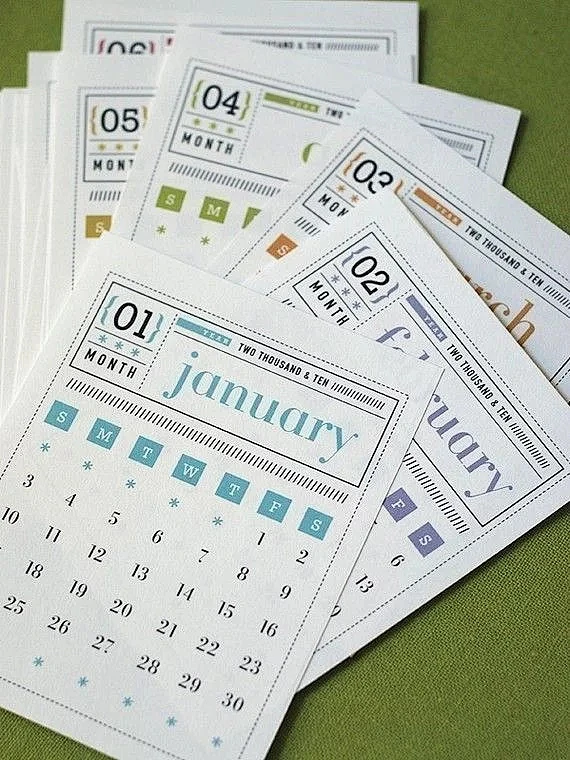
If your result changes around January–February, it's usually a boundary rule difference—not your memory being wrong. 🗓️
Why This Guide Feels Clearer Than Most Chinese Astrology Pages
We keep the experience simple and reliable: clear definitions, clear boundary rules, and a direct path to the answer you actually want— sign, year, element, compatibility, or BaZi.
- Clear boundary guidance for January–February dates (Lunar New Year vs Li Chun)
- Dedicated pages for Zodiac-by-Year and Zodiac-by-Birth-Date (so results stay consistent)
- Practical explanations connected to real situations: relationships, decisions, timing
- We separate lookup content from interpretation content—so definitions don't drift
- Professional consultant insights grounded in family tradition and modern practice
A Practical Approach to Chinese Astrology (From a Professional Consultant)
Many sites try to sound "mystical" and end up sounding vague. We take a different approach. The goal is precision: define the system, apply consistent rules, and translate what you see into daily-life language. In Chinese astrology, the strongest results come from staying grounded: patterns, cycles, and choices—rather than dramatic claims.
A good reading should feel specific and explainable: you recognize yourself, you understand why a pattern repeats, and you walk away with something usable—how to communicate, what to watch for in conflict, how to pace a decision, and what kind of environment supports you.
Method Transparency
We tell you which boundary rule is being used and why results can shift on January–February dates.
Explainable Patterns
Not just "lucky/unlucky"—we explain how dynamics repeat and what supports your momentum.
Respect & Privacy
We don't use fear-based language. Your choices matter, and your questions are treated with care.
People often compare "Chinese astrology and Western astrology" because both are used to describe personality and timing, but they're structured differently. Chinese astrology commonly starts with a year-based zodiac cycle, then refines with elements. For deeper timing and structure, BaZi uses pillars (year/month/day/hour) to describe patterns and cycles.
The clearest results come from using one framework consistently: start with sign, refine with element, then use BaZi when you want depth.
In English, "Chinese horoscope astrology" is usually shorthand for a yearly outlook by Chinese zodiac sign. That works as an entry—just make sure your sign is correct first (especially for January–February births). Then use the horoscope hub as a directory, and the year-explainer page for deeper context.
Quick Answers ⚡
Chinese Astrology Tattoos: Choosing a Zodiac Symbol with Meaning
"Chinese astrology tattoos" is a surprisingly common search. Some people simply love the animal symbol. Others want something personal: a reminder of a turning point year, a commitment to change, or a story they carry.
This is optional—but if you want a tattoo that feels meaningful (not just aesthetic), choose it with context: confirm your sign using the calculator, check your element for "tone," and (if you care about deep personalization) use BaZi to understand what the symbol represents in your structure.
A Dragon tattoo can represent power and ambition—but a Metal Dragon and a Wood Dragon do not carry the same tone. If you want the symbol to match your story, start with sign, then refine with element.
FAQ
What is Chinese astrology? +
In modern usage, "Chinese astrology" can refer to the Chinese zodiac (12 animals), the Five Elements, and the deeper BaZi / Four Pillars birth chart system.
For a clear start, use your zodiac sign by birth date or Chinese zodiac by year. For the deeper "birth chart" layer, explore BaZi (Four Pillars).
Chinese astrology meaning: is it just a belief, or can it be practical? +
Chinese astrology meaning is most useful when it's practical: you recognize patterns in relationships, decision-making, and timing, then you make better choices with that awareness. It's least useful when it's treated as a dramatic verdict.
Use the layers in order (sign, then element). Use BaZi if you want precision and timing cycles: Chinese astrology birth chart (BaZi).
Is the Chinese zodiac the same as Chinese astrology? +
The Chinese zodiac is the most common part people mean. But many "Chinese astrology" searches also include elements and BaZi birth charts.
A clean path: Sign → Element → BaZi (only when you want deeper accuracy).
Where can I check my Chinese zodiac by birth year? +
Use the Years Chart for quick lookups by year, with notes for boundary dates. This covers searches like "Chinese astrology signs by year," "Chinese astrology years chart," and "chart by year."
Go here: Chinese Zodiac by Year (Years Chart)
Why do I get different results around January or February? +
Different traditions may switch the zodiac year at Lunar New Year or at Li Chun (Start of Spring). For a consistent personal result by date, use the calculator: Find My Zodiac Sign (Calculator).
What does "animal + element" mean in Chinese astrology? +
It combines the 12 animals with the Five Elements (Wood, Fire, Earth, Metal, Water). The element adds "tone," and often explains why two people with the same animal sign can feel very different.
Start here: Chinese Zodiac Elements (Five Elements)
What does "Chinese astrology birth chart" refer to? +
Most of the time, it points to BaZi / Four Pillars—a chart built from year, month, day, and hour pillars for deeper structure and timing.
Explore: BaZi Birth Chart (Four Pillars)
What are "Chinese astrology month signs"? +
"Month" can mean different things depending on the calendar method. If you only want your animal sign, use the calculator. If you want month-level structure, that's part of a BaZi chart (month pillar).
Try the zodiac sign calculator or go deeper with a BaZi birth chart.
What are "Chinese astrology hours"? +
It usually refers to the birth-hour pillar (time of birth) used in BaZi. If you want hour-level precision, explore: BaZi (Four Pillars) Birth Chart.
If you only want your zodiac animal sign, you don't need the hour—use the calculator.
Chinese astrology symbols / wheel / animals: what do people mean? +
These phrases usually refer to the 12 zodiac animals and how they're shown as a cycle (often as a Chinese astrology wheel). The symbols are the entry point; the consistent result depends on dates and boundary rules.
For accuracy, start with your sign by birth date or sign by year (years chart).
Origin of Chinese astrology: where did it come from? +
The Chinese zodiac and related calendrical methods grew through long cultural history and were used as a way to organize time and meaning. Today, people use it as an entry into personality themes and life cycles.
A clean modern path: sign → element → BaZi for deeper structure and timing.
Chinese astrology and Western astrology: should I combine them? +
You can compare them, but mixing frameworks often creates confusion. If your goal is clarity, pick one system and use it consistently. Chinese astrology is often year/element based (with BaZi pillars for depth).
Start with a clear answer here: your Chinese zodiac sign.
Chinese astrology dating: does compatibility decide a relationship? +
Compatibility does not decide a relationship. It describes common dynamics—where two people naturally support each other, where friction tends to appear, and what each person needs to feel safe and respected.
Use it as a map: Compatibility Hub. If you want timing and deeper structure, explore BaZi.
Chinese astrology tattoos: how do I pick a symbol that fits me? +
Confirm your sign first (especially if you were born around January–February). Then refine with element so the symbol isn't generic.
Start with the sign calculator and elements.
What do people mean by "Chinese horoscope" in English? +
It's a broad phrase. "Chinese astrology horoscope" and "Chinese horoscope astrology" are often used to mean a yearly outlook by zodiac sign. If you want a directory, go to the 2026 hub and choose your sign.
Start here: Chinese Horoscope 2026 Hub and 2026 Chinese Zodiac Explained.
"In Chinese astrology..." — what's the single most important thing to know for accuracy? +
In Chinese astrology, accuracy often depends on dates and boundary rules—especially around January and February. That's why our site uses dedicated pages for year-based charts and date-based calculation, so results stay consistent.
Use the calculator if you know your birth date, or the years chart for a year lookup.
Start with the Right Answer—Then Go Deeper Only if You Want To
Begin with a clear result: your sign, your year, your element, or your compatibility. For deeper structure and timing, the next step is a BaZi (Four Pillars) birth chart.
- Need a Zodiac-by-Year chart? → Open the Years Chart
- Want compatibility patterns? → Explore Compatibility
- Curious about your Five Elements? → Find Your Element
- Checking the current zodiac year? → See This Year's Answer
- Ready for a professional consultation? → Meet Your Consultant
- WhatsApp: +8615133672786
- Email: hanzehui634@gmail.com