Chinese Zodiac Elements (Wu Xing): Your Animal Is the Character, Your Element Is the Script
Your Chinese zodiac animal (Rat, Ox, Tiger…) is the character people recognize. Your Chinese zodiac element—the Five Elements (Wu Xing): Wood, Fire, Earth, Metal, Water—is the script that shapes how you react, love, decide, and recover.
This is what people mean when they search Chinese Zodiac Elements or Chinese astrology element: the 12 zodiac animals expressed through the Five Elements—the “animal + element” combination that explains why two people with the same animal can live very different stories.
If any of this feels familiar, you’re in the right place:
- You keep repeating the same relationship story with different people.
- You get misunderstood even when your intentions are good.
- You push hard, then crash, then disappear.
- You overthink until you miss the moment to act.
This page is here to do something practical: to help you name the pattern beneath the pattern—so you stop blaming your “personality,” and start adjusting the mechanism that keeps replaying the same outcomes.
People use “zodiac element” in two common ways. This page focuses on the 60-year cycle version—the Heavenly Stems + Earthly Branches system where the Heavenly Stem assigns Wood/Fire/Earth/Metal/Water, creating an Animal + Element combination (the “character + script” pairing).
You may also see a different layer described like “Rat = Water” (branch tendency). That is a separate layer used for different purposes. Different layer, different use—no contradiction.
Here, the goal is simple: understand the script that runs under pressure, then learn how to rebalance it.
What Are Chinese Zodiac Elements?
Chinese zodiac elements refer to the Five Elements system (Wu Xing): Wood, Fire, Earth, Metal, Water.
They are not “five static personality labels.” They describe patterns and dynamics—how energy moves, how habits form, and how balance is restored.
When you understand Wu Xing, you stop asking, “What’s wrong with me?” You start asking, “Which part of my cycle is stuck—and what does it need?”
Animal vs Element
Zodiac animal = your outward style and instinctive approach.
Zodiac element (Wu Xing) = your deeper response pattern under pressure.
Same animal, different element → different script. This is why two people can share the same zodiac animal and still live completely different stories: the character looks familiar, but the script—what they do when stressed, afraid, misunderstood, or tempted—runs differently.
The Five Elements (Wu Xing)
Think of Wu Xing as five inner roles—five ways your system tries to create safety, success, and love. Balanced, they cooperate. Imbalanced, they pull you into loops: push–crash, cling–withdraw, rescue–resent, judge–distance, think–delay.
Growth, direction, planning, pushing forward.
Balanced: steady progress, leadership, improvement.
Imbalanced: impatience, tension, pressuring others, “fixing everything.”
Wood is the part of you that can’t tolerate stagnation. When balanced, you move forward with clean direction. When imbalanced, you push harder… and people feel it as pressure, even when your intention is love.
Expression, warmth, speed, connection.
Balanced: charisma, confidence, momentum.
Imbalanced: emotional intensity, impulsive reactions, burnout.
Fire is the part of you that wants closeness and aliveness—now. When balanced, you light up rooms and relationships. When imbalanced, you burn too hot, too fast, and later wonder why you feel empty.
Stability, support, responsibility, holding together.
Balanced: reliability, loyalty, grounded trust.
Imbalanced: over-giving, resentment, heaviness, stagnation.
Earth is the part of you that becomes the “holder” of everything. When balanced, you create stability people can lean on. When imbalanced, you carry more than you should, say yes too quickly, and later pay with resentment.
Standards, boundaries, structure, precision.
Balanced: clarity, protection, clean decisions.
Imbalanced: rigidity, harshness, perfection paralysis, cold distance.
Metal is the part of you that protects what matters with lines and standards. When balanced, your boundaries are clean and respectful. When imbalanced, your standards tighten into a cage—toward others, and toward yourself.
Depth, observation, adaptability, strategy.
Balanced: insight, calm flexibility, long-term thinking.
Imbalanced: overthinking, delay, avoidance, withdrawal.
Water is the part of you that sees beneath the surface. When balanced, you respond with calm intelligence. When imbalanced, your mind stays active while life keeps moving—and you think through a thousand possibilities at night, then miss the one moment that mattered in the day.
The real power isn’t in “which element you are,” but in your cycle—what supports you, what steadies you, and what breaks your loops.
The Real Power Isn’t in the Element, But in the Cycle
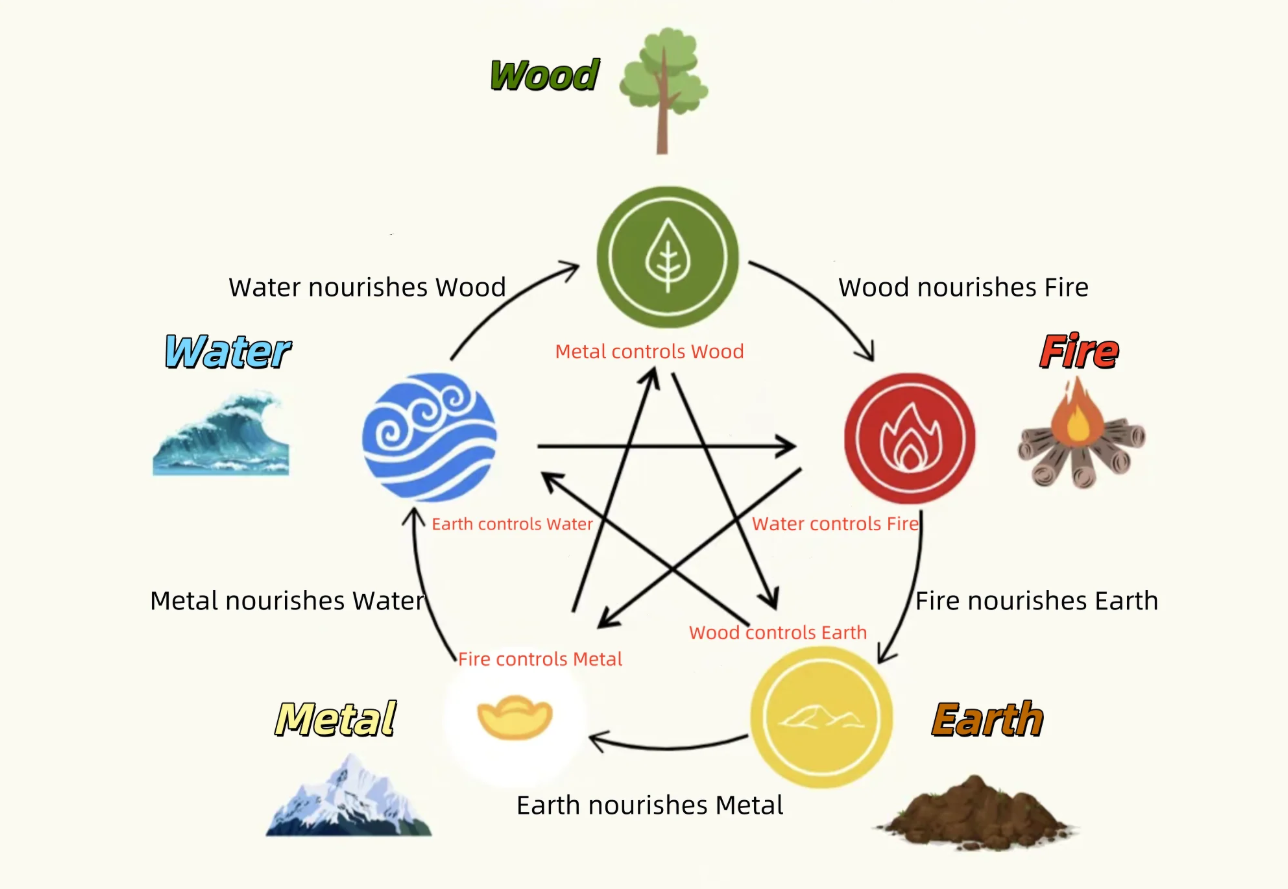
Wu Xing is a language of energy dynamics. The real value is in how the elements interact—supporting and balancing each other, like a living ecosystem. This is why the Five Elements isn’t “personality content.” It’s diagnostic language: what nourishes you, what steadies you, what cools you down, what trims excess, what prevents collapse.
- Water supports Wood — Reflection supports clear direction and growth. “After I reflect, I gain clarity on my next step.”
- Wood supports Fire — Direction and action ignite passion and expression. “When I follow my plan, my motivation and creativity rise.”
- Fire supports Earth — Warm expression builds trust and stable results. “My enthusiasm creates outcomes people rely on.”
- Earth supports Metal — Stability refines values, standards, and boundaries. “From security, I can set healthy standards.”
- Metal supports Water — Boundaries create space for deeper observation and strategy. “Clear boundaries give me deeper insight.”
- Metal balances Wood — Structure trims scattered growth so effort becomes focused. “A deadline focuses my drive.”
- Wood balances Earth — New direction breaks stagnation and brings life back. “A new goal breaks me out of a rut.”
- Earth balances Water — Practical action creates a riverbed so overthinking doesn’t flood everything. “One practical step stops overthinking from drowning me.”
- Water balances Fire — Observation cools impulsive reaction so warmth doesn’t burn everything. “A pause cools an impulsive reaction.”
- Fire balances Metal — Warmth softens rigid standards and makes boundaries human. “Warmth makes my standards easier to accept.”
Think of one situation you keep repeating—same pain, different person, different year.
Now name it like a practitioner would: “X is too strong, and Y is missing (support or balance).”
If that sentence suddenly makes your life feel explainable, that’s not imagination. That’s the system becoming visible—and once you can see the mechanism, you can change the outcome.
Why This Matters
Your challenge is rarely one element being “bad.” It’s often a stuck cycle.
- Burnout (Fire exhausted)? Your Water (recovery/space) may be too weak to support your next Wood (direction).
- Stuck and heavy (Earth stagnant)? You may need Wood (new direction) to break through—or reduce Water overload (overthinking) that keeps you bogged down.
A professional reading uses this map to diagnose your inner ecosystem—what needs support, and what needs gentle balance. Not slogans. Not guessing. A real diagnosis.
Self-Check: Imbalance Signatures
Patterns repeat until the cycle changes. And the cycle changes when you stop using your strongest element to solve every problem.
- Feel responsible for everyone’s emotions. (Common signature: Earth overload; Water overthinking)
- Explain your intentions but still get misunderstood. (Common signature: Fire intensity; Metal tightness; low Water pause)
- Want closeness, then suddenly want space. (Common signature: Fire–Water tug-of-war; or Metal–Water retreat)
- Keep “fixing” the people you love. (Common signature: Wood pushing; Earth rescuing)
- Need things “right” before you can relax. (Common signature: strong Metal; low Fire flow)
- Say “yes” fast, then feel resentful later. (Common signature: Earth overload; weak Metal boundaries)
- Push hard, then crash and disappear. (Common signature: Wood/Fire overdrive; neglected Water recovery)
- Avoid conflict, then explode unexpectedly. (Common signature: Water avoidance → Fire burst)
- Overthink decisions until the moment passes. (Common signature: Water overload; weak Earth action)
- Withdraw or become cold when stressed. (Common signature: Metal defense; Water withdrawal)
Your Animal Is the Character. Your Element Is the Script.
Two people can share the same zodiac animal and still live completely different stories—because their element “script” is different. Choose your character below and explore the element scripts:
 Rat ElementsChinese Zodiac Elements
 Ox ElementsChinese Zodiac Elements
 Tiger ElementsChinese Zodiac Elements
 Rabbit ElementsChinese Zodiac Elements
 Dragon ElementsChinese Zodiac Elements
 Snake ElementsChinese Zodiac Elements
 Horse ElementsChinese Zodiac Elements
 Goat ElementsChinese Zodiac Elements
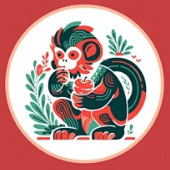 Monkey ElementsChinese Zodiac Elements
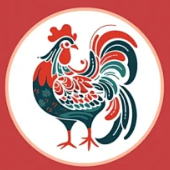 Rooster ElementsChinese Zodiac Elements
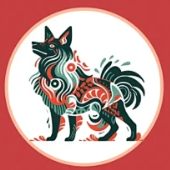 Dog ElementsChinese Zodiac Elements
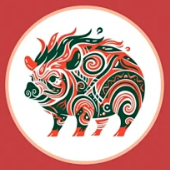 Pig ElementsChinese Zodiac Elements
Not sure about your animal yet?
Love & Communication: How Wu Xing Shapes Relationship Compatibility
Compatibility isn’t just “who matches who.” It’s communication style, triggers, boundaries, and repair. Here is the higher-level truth: most relationship pain is not “lack of love.” It’s a mismatched cycle—one person pushes, the other defends; one person floods, the other burns; one person rescues, the other resents. Wu Xing shows you where the loop starts—and where to break it cleanly.
“I want growth, so I push.”
Partner feels pressured → resistance rises → push-pull begins.
Shift: direction + boundary, not pressure.
“I want closeness now.”
Strong expression → partner feels overwhelmed → rejection fear rises.
Shift: keep warmth, reduce intensity, ask clearly.
“I’ll hold everything together.”
Over-giving → resentment → collapse or explosion.
Shift: treat self-care as duty; stop rescuing.
“Respect makes love safe.”
Standards tighten → partner feels judged → distance grows.
Shift: keep boundaries, soften delivery.
“Peace matters more than conflict.”
Silence grows → distance grows → break feels sudden.
Shift: speak one honest sentence earlier.
Career & Money: Using the Five Elements to Avoid Burnout
In real life, burnout usually isn’t “weakness.” It’s a cycle problem: too much push without recovery, too much responsibility without boundaries, too much thinking without action. When you rebalance the cycle, output improves—and stress stops owning you.
Strength: builder, progress-driven.
Risk: forcing results.
Strategy: plan → steady execution → review.
Strength: communicator, momentum.
Risk: scattering energy, burnout.
Strategy: rhythm + priorities.
Strength: reliable executor.
Risk: carrying everyone, undercharging.
Strategy: define value; stop donating labor.
Strength: standards, systems.
Risk: perfection paralysis, harsh self-criticism.
Strategy: decide fast → refine later.
Strength: strategy, analysis.
Risk: overthinking, delay.
Strategy: commit for a set window → adjust.
Too much push without recovery, or too much thinking without action—fix the missing link.
Family & Social Dynamics · Stress & Balance
Wood reacts to stagnation. Fire reacts to distance. Earth reacts to chaos. Metal reacts to disrespect. Water reacts to tension. Changing the response pattern changes the entire dynamic.
Balance is simple in Wu Xing terms: support the weak link, balance the excess.
- Overheated Fire → add Water pause + Earth grounding actions.
- Heavy Earth → add Wood direction; reduce Water overload.
- Harsh Metal → add Fire warmth + Water perspective.
- Scattered Wood → add Metal structure + Earth steadiness.
- Flooded Water → add Earth action + Metal decision.
This is the difference between “knowing the theory” and “getting your life back”: you stop reacting with the same tool every time—and start restoring the missing link.
What You Truly Receive: A Blueprint, Not a Horoscope
A professional reading is not a label. It’s a diagnosis and a plan.
3–5 key conclusions that describe your repeating loop—without blaming you.
What is stuck, what is missing, what is excessive—your inner ecosystem map.
Bonding style, triggers, boundaries, repair strategy.
Pacing, decisions, risk habits—how to avoid burnout loops.
6–12 practical points that change outcomes fast.
Clear, respectful, actionable guidance—when to advance, hold, or shift.
Here’s the key upgrade beyond general content: Wu Xing teaches the language. BaZi gives the diagnosis and the timing. Most people don’t only want to know what their pattern is. They want to know when it gets triggered—which phases amplify pressure, which phases open opportunity, which periods demand restraint, and which ones are best for decisive action. That “when” is where real leverage lives.
Case Notes (Pattern Diagnosis + Action Prescription)
“I keep attracting controlling partners.”
Pattern Diagnosis: Earth over-giving created a vacuum that attracted Metal-control. Low Wood self-direction.
Action Prescription: strengthen Wood (personal life goal unrelated to partner). apply Metal boundaries for self (non-negotiable self-care).
Result: broke the rescuer loop and chose healthier partners.
“I’m successful but always exhausted.”
Pattern Diagnosis: Wood/Fire overdrive without Water recovery; Metal standards became self-pressure.
Action Prescription: add Water recovery windows; add Metal stop-points; reduce Fire scattering (fewer simultaneous goals).
Result: output stayed high; burnout cycle ended.
“I overthink until I miss chances.”
Pattern Diagnosis: Water overload with weak Earth action; delayed decisions waiting for perfect certainty.
Action Prescription: Earth rule (one practical step within 24 hours). Metal rule (commit for a set window, refine later).
Result: calmer, faster decisions without impulsiveness.
Ready to see your personal element cycle & timing map?
A focused BaZi reading doesn’t just say “what you are.” It shows what’s missing, what’s excessive, what your cycle needs—and when the pattern is most likely to repeat. If you want real leverage, timing is where it lives.
- Cycle diagnosis: what’s stuck / missing / excessive
- Love + career strategies that match your structure
- Timing map: when pressure peaks, when opportunity opens
- Clear actions: support weak links, balance excess
FAQ: Chinese Zodiac Elements (Wu Xing)
What is my Chinese astrology element? +
Most people mean their Chinese zodiac element in the Five Elements (Wu Xing): Wood, Fire, Earth, Metal, Water.
What does “animal and element” mean? +
It means the zodiac animal is the character, and the element is the script—together they describe a deeper pattern than the animal alone.
What is Wu Xing meaning? +
Wu Xing means Five Elements—Wood, Fire, Earth, Metal, Water—and the cycles that create balance.
How do I find my Chinese zodiac element? +
Start with your animal element page (rat elements, tiger elements, etc.), then confirm via:
Do elements affect compatibility? +
Yes—elements shape triggers, boundaries, communication, and repair patterns. For deeper matching and timing, explore /bazi-reading/.
Is my zodiac element the same as my BaZi element? +
Not exactly. The zodiac element is a useful entry point. BaZi reads the full chart structure and timing—showing which elements are truly dominant, missing, or easily triggered over time.
Why do two people with the same zodiac animal feel so different? +
Because the animal is the character. The element—and the full chart behind it—changes the script: how someone reacts under pressure, repairs conflict, makes decisions, and responds to timing.