
Wood Rabbit (Chinese Zodiac) — Meaning, Personality, Traits, Compatibility & 1975 Wood Rabbit Year
Same Rabbit sign, different element—wood rabbit chinese zodiac is not “just Rabbit.”
Wood changes your inner mechanism: you build comfort, repair tension, and protect peace before anyone even asks.
Most pages call you gentle and lucky. But your real pattern is sharper: you notice the mood shift, smooth it fast, and quietly carry the emotional load so the relationship (or room) stays livable.
Scroll down and you’ll spot the habit that quietly costs you clarity—and how to fix it without becoming cold. If you’ve ever smiled while feeling your chest tighten, the next sections will feel uncomfortably accurate.
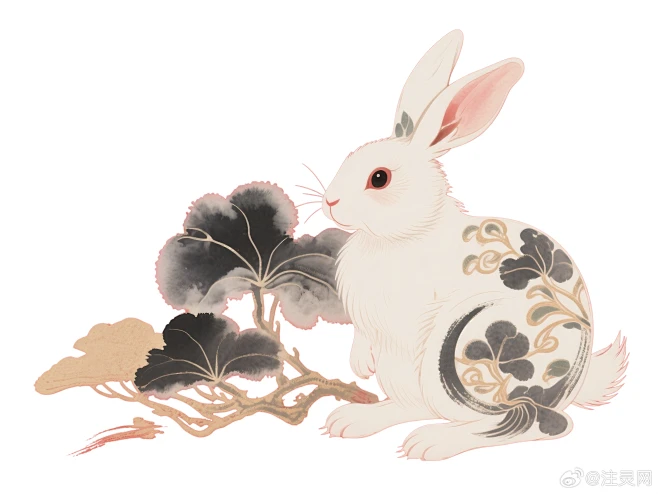
Quick Answer — 1975 Wood Rabbit (Wood Rabbit year)
1975 wood rabbit: Yes.
wood rabbit year: 1975.
year of the wood rabbit: 1975 (most recent in this cycle).
If you’re a Rabbit, wood rabbit energy often shows as repair-first love, comfort-building habits, and quiet withdrawal when uncertainty feels unsafe.
Wood Rabbit repeats every 60 years; 1975 is the most recent Wood Rabbit year.
Late Jan/early Feb births can shift depending on the calendar boundary used, so confirm by birthday.
wood rabbit meaning — what “Wood” adds to the Rabbit
The wood rabbit meaning is not “soft.” It’s repair. You feel tension early—tone, effort, distance—and your instinct is to make life smoother so you can breathe again. You don’t do this to please people. You do it because a tense environment feels physically uncomfortable.
Wood is growth. You improve things step by step: routines, habits, communication, daily comfort. You prefer calm over drama. You’d rather make the relationship work than “win” the argument. That’s why you often swallow the sharp sentence and replace it with a softer one.
But here’s the cost: if you keep fixing without naming needs, you start living in a quiet imbalance. You become the one who adjusts, plans, reassures, and carries the awkward conversations in your head—without ever saying them out loud.
You’ll recognize this pattern if you’ve done things like:
- You rewrite your need into a hint so you won’t sound demanding.
- You say “It’s fine” while your body says it’s not.
- You avoid the hard question because you fear the messy moment after.
- You keep being kind, then suddenly feel emotionally done.
- You pull back politely instead of arguing.
The upgrade is simple: keep your kindness, but stop paying for peace with silence.
wood rabbit personality & wood rabbit traits
wood rabbit personality
People experience you as calm because you reduce friction. You notice small discomforts—an awkward pause, a sharp tone, a pattern of “almost” effort—and you smooth it before it turns into a scene. You often become the emotional temperature control of the relationship without realizing it.
You dislike confrontation less because you fear conflict, and more because you hate the emotional mess afterward: the tension in the room, the weirdness, the long silence that follows. So you choose timing. You choose careful words. You choose “let me fix it quietly” instead of “let me demand it loudly.”
That works—until it doesn’t. Because you can look fine while trust is quietly dropping. Your face stays gentle, but your heart starts stepping back. That’s why others may feel blindsided when you finally detach: you’ve been detaching in small pieces for weeks.
If this page feels accurate, you’re likely someone who values emotional safety and steady effort—and that’s why unpredictable people drain you fast.
wood rabbit traits
you create safety through small, thoughtful actions.
you choose timing over arguing.
you fix before you blame.
kind by default, but needs clearer limits.
3-column Life Cards — Love / Work / Money
Love
You love through care: remembering details, making life easier, keeping the connection smooth. You’re not the loudest lover—you’re the one who notices what your partner needs before they ask.
Where it breaks: you keep adjusting while hoping they’ll notice and change. You don’t fight—you go quiet. Texts get shorter. Your warmth becomes polite.
What works: one honest sentence early. Not a speech. Not a hint. A clear request with a time frame.
Real-life moment: they cancel last-minute again, you reply “No worries 😊,” but your stomach drops—and you stop initiating for days.
Work
You thrive in roles that reward steady improvement: operations, client care, design taste, coordination, quality, anything where small fixes prevent big problems. People trust you because you make the outcome feel safe.
Where it breaks: you become the cleanup person. You fix what others leave messy, then feel resentful—but you still don’t say it directly.
What works: write the standard, assign ownership, set checkpoints. Your gift is improvement; your risk is over-carrying.
Real-life moment: you stay late making it perfect, then someone says, “Wow, you’re so helpful,” like it’s your natural job to absorb the mess.
Money
You spend to reduce stress, not to impress. You’ll pay for comfort, stability, and fewer headaches. You’re often careful because uncertainty makes you tense.
Where it breaks: you avoid money talks to avoid tension—then feel taken for granted.
What works: treat money like a boundary topic, not a shame topic. Clear agreements protect love.
Real-life moment: you cover extra costs “to keep it smooth,” then feel heavy when nobody acknowledges it.
wood rabbit compatibility — love & relationship patterns
Relationship pattern
You’re warm, but you don’t fully relax until you feel safe. You watch patterns: effort, timing, responsibility, follow-through. You can tolerate flaws, but repeated inconsistency slowly shuts your warmth off.
This style often looks like:
- You give comfort first, then ask later (sometimes too late).
- You avoid the hard talk until the emotional bill is high.
- You stay polite while quietly pulling away.
- You want closeness, but you need predictability to soften.
Compatibility as “interaction style”
Your best match is not a label—it’s a behavior style: steady effort, clear communication, and emotional maturity. You do well with people who can hear a request without turning it into a fight, and who keep their word without needing reminders.
Your hardest matches share one pattern: vague behavior. Mixed signals. Sweet words with no follow-through. Disappearing, then returning like nothing happened. That triggers your fixer mode—then your withdrawal mode.
Wood Rabbit’s biggest relationship trap
Trap 1: You date potential. They’re charming but unstable, and you become the stabilizer. You start managing the relationship: reminders, planning, emotional patching.
Trap 2: You keep peace instead of asking the real question. You wait, you hint, you hope—then one day your warmth is gone and you don’t even want to explain.
Trap 3: You confuse harmony with intimacy. The relationship feels calm, but you feel lonely inside it because the real needs never get spoken.
You’re not weak. You’ve been using harmony to buy safety. We’ll switch the tool—so you can stay kind and stay clear.
Stress response — your trigger → reaction → result loop
Trigger: tension in the air, vague promises, repeated “almost” effort, embarrassment, emotional unpredictability.
Reaction: you over-adjust, fix quietly, soften your words, then withdraw when you feel unsafe to speak.
Result: things look peaceful on the outside, but closeness fades—and you feel lonely even while being “nice.”
This is why you can seem fine while feeling tired. You’re not dramatic. You’re carrying the cost of keeping everything smooth.
Break the loop (3 steps):
Name the boundary (one sentence, no anger).
Ask one direct question (no hints).
Set a time frame (so you don’t wait forever).
“I care about us. I’m willing to continue, but I need (one clear commitment) by (a date). If not, I’ll step back to protect my peace.”
“Are you actually willing to do this consistently, or should I reset my expectations?”
Career & money — how the Wood Rabbit wins (and where it breaks)
Career
You win where progress matters: roles that reward steady improvement, taste, coordination, and relationship management. You prevent problems before they become obvious. You make teams smoother and outcomes cleaner.
Where it breaks: you absorb emotional labor. You become the buffer between difficult people. You fix the messy parts so the room stays calm—then burn out quietly.
Your upgrade: turn “being nice” into a system. Put the standard in writing. Assign ownership. Stop rescuing people from the consequences of repeated inconsistency.
Money
Your money style is comfort-first: stable base, predictable flow, fewer surprises. You’re usually careful, but you will spend when it improves daily life and reduces stress.
Where it breaks: avoiding money conversations to avoid discomfort—then feeling unseen later.
Your upgrade: make agreements early. A calm money talk now prevents a painful relationship talk later.
Our method — why this pattern exists (traditional system)
Our work is based on BaZi (Four Pillars) logic. We map element → reaction loop → practical advice: a clear statement, real-life proof points, and the exact fix you can apply across love, work, and money.
We read the same pattern across life areas so guidance stays consistent, not random. You’ll get: 1 core trigger, 1 boundary sentence, and 1 action plan.
FAQ — Wood Rabbit questions
1975 wood rabbit — what does it mean?
It means 1975 is a Wood Rabbit year in the 60-year cycle, and people born in that year often show comfort-building habits, repair-first love, and polite withdrawal when signals feel unstable.
What is the wood rabbit year?
The most recent completed wood rabbit year is 1975. In the traditional 60-year rhythm, the same combination returns on a fixed cycle.
What is the year of the wood rabbit?
The year of the wood rabbit is 1975 in the most recent completed cycle. Wood Rabbit repeats every 60 years; 1975 is the most recent Wood Rabbit year.
What is wood rabbit meaning?
It points to a repair-first mechanism: you improve the environment, reduce tension, and protect emotional comfort. The strength is steady growth. The challenge is over-adjusting, then going quiet when you feel unsafe to speak.
wood rabbit personality — why do I avoid confrontation?
Because you value peace and dislike the emotional mess that follows a fight. You choose timing, careful words, and distance when things feel unstable. The solution is not becoming harsh—it’s becoming clear earlier, while you still feel warm.
wood rabbit compatibility — what matches best?
The best match is an interaction style: steady effort, clear communication, and consistent follow-through. The hardest matches are vague patterns—mixed signals, sweet talk without commitment, and repeated “almost” behavior.
Explore more
Ready to see your personal attraction pattern?
A focused BaZi Chart Interpretation for relationships doesn’t just say “when love comes.” It reveals who you naturally attract, why that type feels irresistible, and what your chart actually needs to feel safe — so your next relationship isn’t just another version of the same lesson.
- Understand who you naturally attract — and why
- See the script behind your past relationships, not just surface stories
- Learn how to choose healthier versions of your natural type
- Use timing (Da Yun / Liu Nian) to start your next chapter with clarity