Wood Rat (Chinese Zodiac) — Meaning, Personality, Traits, Compatibility & 1984 Wood Rat Year
Wood Rat: Clear statements, proof points, and practical breakthroughs
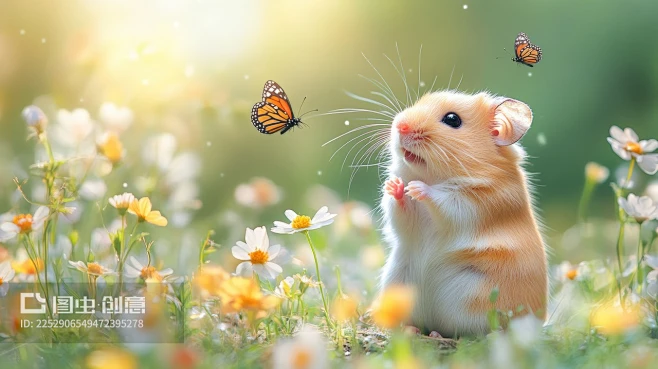
Wood Rat (1984): same Rat sign, different element — a different inner engine.
Hero
Same Rat sign, different element—this is a different inner engine. In the Wood Rat Chinese Zodiac, “Wood” amplifies growth, connection, and long-range security. You can look friendly and flexible while quietly tracking the trend line: Who is consistent? What can be built? Which path won’t waste your best season?
People call you “smart and social.” The sharper truth: you nurture plans and people—until you notice the giving is one-way. Then you don’t explode. You simply stop investing. Scroll down and you’ll recognize the exact pattern that makes you over-give, then feel drained—and how to stop it without becoming cold.
Quick Answer — 1984 Wood Rat (Wood Rat year)
1984 Wood Rat
Yes.
Wood Rat year
1984
Most recent cycle
1984
If you’re a Rat, the “Wood” flavor often shows as growth-driven planning and relationship-building under stress—helping first, thinking long-term, and keeping options open until you feel safe.
Wood Rat repeats every 60 years; 1984 is the most recent Wood Rat year. Late Jan/early Feb births can shift depending on the calendar boundary used, so use the birthday tool to confirm your sign.
Mini self-check (15 seconds): Which one is most like you?
Wood Rat meaning — what “Wood” adds to the Rat
Wood Rat meaning is the Rat’s intelligence aimed at growth. Not just “getting ahead,” but building something that keeps expanding: skills, connections, savings, options, and a future you can trust. Your calm isn’t laziness—it’s strategy. You don’t rush into a door you might regret. You watch what grows, what stalls, and what quietly drains your best energy.
Here’s the mechanism that makes people feel seen: you feel safest when life is still growing. When progress slows or the future turns blurry, you don’t panic loudly—you start doing more. You plan more, help more, connect more, and keep multiple doors open “just in case.” That’s how you become reliable and valuable. It’s also how you end up exhausted, wondering why you feel lonely even around people.
Proof points you’ll recognize
Breakthrough: Keep your warmth—upgrade your structure. Don’t keep giving without clear return.
Wood Rat personality & Wood Rat traits
Wood Rat personality
People think you’re easygoing—your mind isn’t. You read the room fast, then adapt, because harmony keeps things buildable. But inside, you’re scanning for long-term safety: direction, consistency, and whether someone can grow with you without turning you into the caretaker.
- You’re warm in tone, strategic in choices.
- You offer support early, then test if it’s returned.
- You tolerate flaws, but you can’t tolerate stagnation.
- You dislike confrontation, yet your boundaries are real.
- You hate burning bridges, so you retreat in stages.
- You stay helpful until you feel taken for granted.
If this feels accurate, you’re likely someone who values growth over drama—and that’s why vague people drain you fast.
Wood Rat traits
- Growth-minded: you choose paths that expand your options.
- Social weaving: you connect people, resources, and timing.
- Soft strategy: you influence without forcing.
- Future-proofing: you build backups so you can breathe.
Life cards — Love / Work / Money
You don’t fall fast—you build. You show care through effort: remembering details, supporting plans, making life smoother. The trap is giving before you ask. You become the steady one, the understanding one—then you realize you’re the only one “growing” the relationship.
You don’t fight. You go quiet, polite, and practical. You still reply—but you stop sharing your day. The other person feels the temperature drop and calls you “distant,” while you’re thinking, “I’m just done carrying this alone.”
You’re strong at building progress through people. You see who can do what, how to connect resources, and what needs to happen next. The trap is becoming the bridge for everything.
You keep projects alive by carrying the future in your head—then resent others for not meeting a standard that was never clearly assigned.
You save and invest not for greed, but to stop the “what if” spiral. You’re willing to learn, plan, and play long-term. The hidden stress is scattering: you plant too many small bets because you fear choosing wrong. Then you feel busy, but not safe.
Wood Rat compatibility — love & relationship patterns
Relationship pattern
You don’t rush—you watch for growth potential. You commit when the relationship feels buildable: consistent behavior, shared direction, and mutual effort. You can be deeply loyal, but your loyalty has a rule: you nurture what nurtures you back.
- You support first, then track reciprocity.
- You remember who grows with you vs. who drains you.
- When hurt, you don’t explode—you stop investing.
- You avoid hard endings, but you become emotionally absent.
Compatibility as “interaction style”
Best fit: someone who respects your kindness, communicates clearly, and follows through. They don’t just receive your support—they bring structure, consistency, and shared planning.
Challenging: someone who enjoys being cared for but avoids responsibility, keeps things vague, or changes their story. The more you have to guess, the less safe you feel—and the more you over-give to stabilize the situation.
The biggest relationship trap: the Nurture → Withdraw Pattern
Trap 1: “Needy but charming” pulls you into long-term provider mode
You get hooked by someone who feels emotionally urgent. You “help” to create safety. Over time, your care becomes the relationship’s structure— and you quietly become the one who holds it up.
Trap 2: You avoid saying no, and love turns into obligation
When you don’t state conditions early, your giving becomes the default. You stay kind while your energy drains. Then the relationship feels heavy—like responsibility instead of closeness.
Trap 3: You use giving to buy security—then feel empty when it doesn’t work
You’re not “too soft.” You’re using giving to buy safety. We switch the tool—without killing your kindness. You don’t need more romance—you need reliability you can build on.
Stress response — your trigger → reaction → result loop
Trigger: an unclear future, inconsistent behavior, slow progress, or roles that aren’t defined.
Reaction: you plan more, help more, connect more, and keep doors open. You try to “grow” your way out of uncertainty.
You stay polite. You stay useful. You carry the emotional labor so the relationship or project doesn’t collapse.
Result: steady outcomes and wide networks—but also hidden resentment, exhaustion, and a quiet loss of closeness.
Trigger
Unclear future, inconsistent behavior, undefined roles.
Reaction
Plan more, help more, connect more, keep doors open.
Result
Outcomes improve, but closeness drops; resentment grows quietly.
This is the Growth-Safety Loop: you try to create safety by increasing growth. It works—until it turns you into the only one holding the structure.
Break the loop
- Name the boundary (one sentence).
- Offer one clear option.
- Stop over-owning what you can’t control.
Boundary sentence template
“I’m willing to continue, but I need (one clear commitment) by (a date). If not, I’ll step back.”
Career & money — how this sign wins (and where it breaks)
Career
You win through ecosystem thinking. You’re strong in roles that reward long-term building: operations, product, strategy, partnerships, account growth, research, planning—anything where connecting people and resources creates momentum. You’re not only solving today—you’re shaping next quarter.
Where it breaks is quiet overload. You accept “just one more thing” to keep progress moving, then become the unspoken backbone. You stay calm, so others assume you’re fine. Over time, kindness turns into burden—and burden turns into distance.
Fix it without becoming harsh
- Write the role: “Who owns what?”
- Convert standards into requests: one sentence, one outcome.
- Set checkpoints so you don’t carry the whole plan alone.
Money
Your strength is patience. You can plan, delay gratification, and invest in long-term stability. Your risk is scattering—too many small moves because you fear missing out or choosing wrong.
Build a simple system
- A safety buffer for peace of mind.
- A main growth plan for direction.
- A small learning budget so curiosity doesn’t sabotage stability.
Our method — why “Wood Rat” exists (traditional system)
Based on BaZi (Four Pillars) logic. We map element → reaction loop → practical advice (statement → proof points → breakthrough). In the traditional 60-year cycle, the same animal sign changes its “reaction engine” with the element—so two Rats can look similar but behave very differently under pressure. We read the same pattern across love, work, and money, so advice stays consistent, not random. You’ll get: 1 trigger, 1 boundary sentence, and 1 action plan you can actually use.
FAQ — Wood Rat questions
1984 Wood Rat — what does it mean?
It points to a Wood Rat year in the 60-year cycle. Many people notice a strong “growth + giving” style in relationships and work during this combination.
What is the Wood Rat year?
The most recent Wood Rat year is 1984. The same combination returns every 60 years.
What is the year of the Wood Rat?
The year of the Wood Rat is 1984 in the current cycle. Wood Rat repeats every 60 years; 1984 is the most recent Wood Rat year.
What is Wood Rat meaning?
It’s growth-minded intelligence: nurturing, planning, connecting resources, and building a future you can trust.
Wood Rat personality — why do I feel drained?
Because you give before you set conditions. When reciprocity stays unclear, you keep nurturing to restore safety—until you burn out.
Wood Rat compatibility — what matches best?
The best match is an interaction style: clear communication, consistent follow-through, and shared planning. Vague, unreliable patterns are the hardest.
Is this just a stereotype?
This is a pattern framework from a traditional system: element + sign → stress loop → practical boundaries. Use it as a mirror. If the loop fits your real life, apply the boundary and see if the outcome changes.
Explore more
Want a personal Love & Pattern Reading?
Wood Rat patterns are powerful—until you’re the only one holding the structure. Get a clear trigger, boundary sentence, and action plan for your current relationship or situation.
- Identify your relationship trigger & loop
- Use one boundary sentence that changes outcomes
- Stop over-giving without becoming cold
- Choose reliability you can build on