
Feng Shui Living Room
Walk into a room and you feel the difference before you see it. One space makes people settle, talk, and stay. Another keeps them restless, shifting, glancing at the door. The difference between them is never the color of the walls or the brand of the sofa. It is spatial structure — how furniture directs movement, where the eye lands on entry, and whether qi has room to gather or is forced to keep moving. A well-designed feng shui living room addresses these conditions long before anyone picks a cushion.
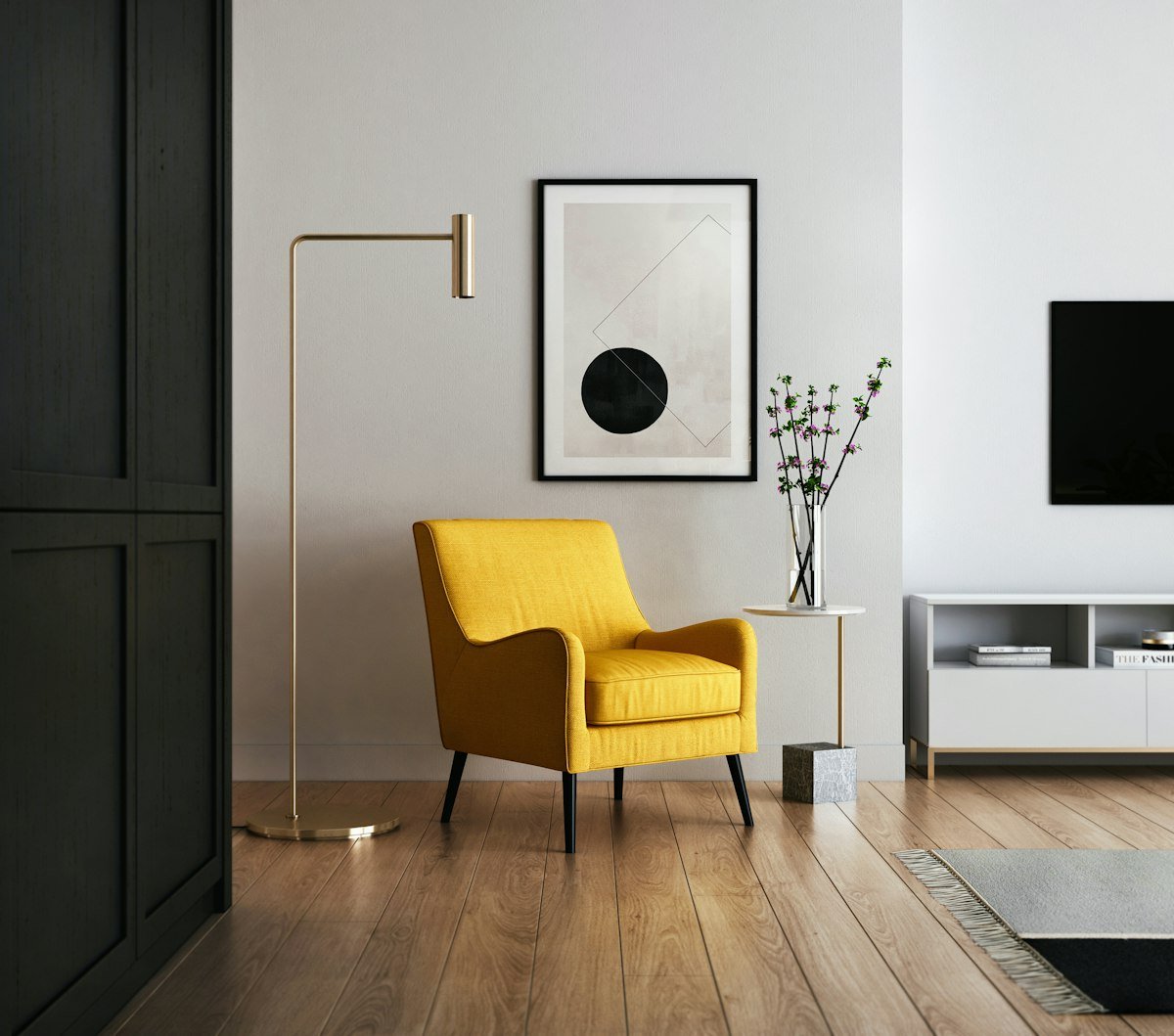
Two living rooms. Same furniture budget. One feels right.
Walk into the first living room feng shui scenario. Three people sit on an expensive sectional, but not one of them has stayed in the same spot for more than ten minutes. Someone keeps shifting toward the armrest. Another got up to get water and decided to stand by the kitchen island instead. The room has good light, tasteful art, and a designer coffee table. And yet — no one settles. Conversations start and die. The energy in the room feels restless, provisional, as if everyone is waiting for something rather than being where they want to be.
Now walk into the second room. You notice the feeling before you notice the furniture. People are seated, and they stay seated. Someone is talking — others are listening. Not because the topic is especially gripping, but because the space holds attention. The sofa sits against a solid wall with a clear view of the entrance, offset at an angle rather than in direct line. There is open floor space in the center of the room, not filled with an oversized coffee table. Light is soft and indirect. You sit down, and within a minute you forget why you were restless.
The difference between these two rooms is not decoration. It is spatial structure — how the furniture directs movement, where the eye lands when you enter, and whether qi has room to gather or is forced to keep moving. This is what feng shui living room design actually addresses, and it starts long before anyone picks a cushion color. A well-designed living room feng shui approach treats this room as the social engine of the home. Unlike the bedroom, which is private and restorative, the living room is where energy circulates among people. When the spatial structure supports gathering, conversation deepens. When it works against gathering, even the best hospitality cannot compensate.
The Three Structural Pillars of a Feng Shui Living Room Layout
Most living room articles begin with decoration advice. They should begin with three spatial conditions that determine whether any decoration matters at all. In any feng shui living room layout, these three pillars — traffic flow, bright hall, and qi reception — must be addressed before furniture arrangement or color choices.
Traffic flow is the path people take when they walk through the room. In a living room feng shui layout, the primary traffic path should never cut through the seating area. When the walkway from the door to another room passes between the sofa and the television, or between two chairs facing each other, every person who walks through that path disrupts the gathering. People sitting there feel subtly on guard — they are sitting in a roadway. The fix: position the main traffic path behind the seating or along one wall, turning the seating area into a protected pocket that people enter deliberately. In feng shui furniture placement, this is the first structural decision, and it is the one most often ignored in generic arrangement advice.
In classical feng shui, the bright hall (明堂) is an open, unobstructed space where qi decelerates and pools. Every room needs one, and in the living room, it is the open area directly inside the entrance — or the central space in front of the main seating. A feng shui living room without a bright hall cannot hold energy. Qi enters and immediately collides with furniture, dispersing in all directions. The minimum bright hall: roughly 1.5m × 1.5m of clear floor near the entrance or in the center. When the bright hall is present, the room feels immediately calmer on entry — not metaphor, but the felt experience of entering a space that receives rather than resists. In living room feng shui layout, space always comes before objects.
The living room receives qi from two main sources: the door through which people enter, and the windows that bring in light and air. The orientation of the main seating relative to these openings determines how occupants experience incoming energy. In a feng shui living room layout, the most important seat — the main sofa — should have a clear view of the primary entrance without being directly in line with it. Direct alignment between sofa and door creates a "straight rush" pattern — qi moves directly toward the seated person without slowing, creating a subtle sense of confrontation. Offset alignment, where the sofa is positioned so the door is visible but at an angle, allows people to see who enters while remaining in a protected position. This is command position applied to the living room context, and it is one of the most reliable adjustments in all of feng shui furniture placement practice.
The pillars are sequential, not optional. Traffic flow defines where people can move without disrupting the room's center. The bright hall defines where qi pools once it has arrived. Qi reception defines how the room's main occupant experiences incoming energy. When one pillar is missing — say, traffic flow is correct but the bright hall is filled with a large coffee table — the room still feels unsettled because qi has no place to settle. Feng shui furniture placement that addresses all three creates a room where people naturally gather and stay. This is the structural foundation that decoration can then enhance, but never replace.
Sofa Command Position: Where the Main Seat Belongs
The sofa is the throne of the living room. In a correctly arranged feng shui living room, the main sofa sits against a solid wall — never floating in the middle without backing, and never with its back to the door. A solid wall behind the sofa provides what classical feng shui calls the "mountain" — structural support that translates psychologically into feeling grounded and secure. The sofa command position has four requirements: against a solid wall, with a clear view of the main entrance but not directly in line with it, not under a ceiling beam, and not sharing a wall with a bathroom or staircase. Meeting all four is ideal; meeting the first two is essential for any living room feng shui layout to function.
Solid Wall Behind, Door Visible at an Angle
The sofa backed by a solid wall with the entrance visible but offset creates the strongest command position in a feng shui living room layout. People seated here feel protected from behind while aware of who enters — the ideal balance of security and awareness. This position supports both deep conversation and relaxed hosting.
Floating Sofa: How to Create an Artificial Mountain
When the sofa floats in an open-plan layout with no wall behind it — common when the living area shares space with dining or kitchen — people sitting there feel exposed. This is a standard feng shui furniture placement challenge. The fix: a console table placed behind the sofa, at least 80cm tall, with a lamp, plant, or books rising above it to create a vertical anchor point. A low, empty console does not solve the problem; it merely adds furniture. The console functions as an artificial mountain, providing the backing that the wall would otherwise supply.
Furniture Placement Rules That Shape Conversation
Beyond the sofa, the arrangement of chairs, tables, and storage determines whether a living room feng shui invites conversation or quietly discourages it. These rules apply regardless of style, budget, or room size.
Seating in a feng shui living room layout should form a rough circle or U-shape, not parallel lines. When chairs and sofas face each other across a coffee table, they create a contained conversation zone — qi circulates within the circle. When all seating faces a television, the room becomes a viewing theater, not a gathering space. The best living room feng shui layout serves both functions: add an armchair or accent chair angled toward the sofa, creating a conversation pocket that works independently of the screen.
The ideal distance between sofa and coffee table in feng shui furniture placement is 35-45cm — close enough to reach comfortably, far enough that legs are not cramped. When too far, the table becomes an island. When too close, it blocks movement and traps people in their seats. The table should be no more than two-thirds the length of the main sofa, with its height roughly level with the seat cushion. A coffee table that dominates the seating area is a common feng shui living room problem — qi cannot circulate around it, and the room feels heavy.
Clutter in feng shui is not mainly an aesthetic problem — it is a qi problem. Every stack of unsorted papers, every pile behind a chair, every corner filled with things that have no designated home: these are places where qi stagnates. In a feng shui living room, horizontal surfaces should be mostly clear — not bare, but intentional. Closed storage is preferable to open shelving in the main living area. Open shelves filled with miscellaneous objects create visual noise, and visual noise is a form of stagnant qi: the eye cannot rest, and neither can the mind. This is one of the most practical applications of feng shui living room layout thinking — if you can see everything you own from the sofa, the room never quiets down.
A rug defines the seating area as a territory in a feng shui living room layout. Without a rug, furniture floats — individual pieces in a room rather than a room with purpose. Qi has no visual container for the gathering zone. The rug should be large enough that at least the front legs of all seating pieces rest on it. This creates a clear boundary between the conversation zone and the surrounding space. In living room feng shui, the rug is the single most effective tool for defining zones in open-plan layouts.
Four Common Living Room Problems — and Structural Fixes
These are the four spatial problems seen most often in feng shui living room layout assessments, with fixes that address structure rather than decoration.
Front Door Opens Directly Into the Living Room
When the front door opens straight into the feng shui living room with no transition zone, qi rushes directly into the seating area. People sitting there feel a subtle jolt every time someone enters. The fix: create a buffer — a console table, a low shelf, or a tall plant placed between the door and the main seating, breaking the direct sightline. In living room feng shui, this buffer is called a "screen," and it does not need to be a physical wall — any vertical element that interrupts the straight path works.
Sofa Backs Onto a Walkway
In open-plan homes, the sofa often sits between the living and dining areas, its back exposed to a walkway. This feng shui living room problem leaves the sofa with no mountain support — people sitting there feel unanchored. The fix is a console table behind the sofa, at least 80cm tall, with a lamp, plant, or stack of books rising above it. The vertical anchor point is essential for this feng shui furniture placement remedy to work.
Television Dominates the Room
When every seat faces the television, the room defaults to passive consumption. This is a feng shui furniture placement issue — not an anti-television argument. The fix: add at least one seat that faces away from the television — an armchair angled toward the sofa, a window seat, a small bench. This single seat changes the room's default mode from "everyone watches" to "the room has multiple purposes." In a good living room feng shui layout, furniture arrangement should suggest that conversation and presence matter at least as much as screen time.
Room Has No Clear Focal Point
When furniture is distributed evenly along the walls and the room's center is empty — not as intentional bright hall but as unused negative space — qi has no place to settle because no zone is defined. This feng shui living room layout problem is solved by anchoring the room with a rug. The rug defines the seating area as a territory, creating visual containment for the entire feng shui living room arrangement. Choose a rug large enough that the front legs of all seating pieces rest on it.
When the Living Room Layout Needs More Than Tips
Individual adjustments work when the problem is isolated — a sofa that needs to move, a walkway that needs redirecting, a corner that needs clearing. But many living room feng shui problems are not isolated. They are connected to the front door position, the relationship between the living room and the kitchen, the window placement, the ceiling height, and the overall floor plan geometry.
A feng shui living room layout that feels consistently unsettled despite multiple rearrangements is often reflecting a deeper structural issue. The living room may share a wall with a bathroom, creating a draining effect on social energy. The front door may align directly with a large window on the opposite wall, sending qi straight through the room without pausing. The ceiling may slope or have a beam crossing directly over the main seating area. These are not decoration problems, and they cannot be fixed by moving a plant.
A professional assessment considers the living room not as an isolated space but as one chamber in a connected floor plan. The front door — the mouth of qi for the entire home — delivers energy into the living room first in most layouts. How that energy is received, slowed, and circulated through the room is the real subject of feng shui living room work. When the three structural pillars are in place and the room still does not feel right, the issue usually lies outside the room itself — in the relationship between rooms that no amount of furniture rearrangement can address.
Common Questions About Feng Shui Living Room Layout
The sofa should be against a solid wall with a clear view of the main entrance — but not directly facing it. The wall should not be shared with a bathroom, staircase, or mechanical room. If the only available solid wall faces away from the door, use a mirror to reflect the entrance into view from the seated position. In feng shui furniture placement, this command position is the single most important adjustment for the entire feng shui living room.
No. The issue is not the television itself — it is whether the entire room is arranged around it as the sole focal point. In a balanced feng shui living room layout, the television is one element among several, and at least some seating faces inward toward other people rather than toward the screen. Add an armchair or accent chair angled toward the sofa to create a conversation zone that works independently of the television.
Yes, but it requires deliberate zone definition. Use rugs, feng shui furniture placement, and lighting to define where the living area begins and ends. Without these visual boundaries, qi disperses across the entire open space and no single zone feels contained. A rug under the seating area is the single most effective tool for defining the feng shui living room zone in an open plan.
Color choices depend on the room's compass direction, natural light, and function — not on a generic list. That said, living rooms generally benefit from grounding, warm-neutral tones that support social ease: soft earth colors, warm whites, muted greens. Bright reds and harsh whites tend to agitate rather than gather qi. For a complete analysis, room orientation and the household's energy profile should be considered together in a living room feng shui consultation.
Pay attention to what people do when they enter. Do they sit down and stay seated, or do they wander, perch, and leave? Do conversations deepen or stay at surface level? A feng shui living room layout that works shows its results in behavior — people naturally settle, talk longer, and feel reluctant to leave. If guests consistently stand rather than sit, or gravitate toward the kitchen or another room, the living room feng shui layout is working against gathering, no matter how nice the furniture looks.
Yes. Most feng shui furniture placement adjustments involve moving what is already in the room — repositioning the sofa, adding a rug, creating a buffer near the door, clearing horizontal surfaces. None of these require landlord permission. The only limitations are fixed elements like built-in shelving or immovable radiators, and even those can be worked around with careful positioning.
A living room is rarely a problem in isolation. A professional assessment finds what furniture rearrangement cannot reach.
A Home Feng Shui Consultation examines your actual floor plan, door positions, traffic flow, bright hall, and room relationships. No generic templates. No one-size-fits-all advice. Get a feng shui living room layout assessment that considers how your living room connects to the front door, windows, kitchen, and every other room that shapes its energy.
- Traffic flow assessment — identify and fix paths that disrupt gathering
- Bright hall evaluation — ensure qi has space to decelerate and pool
- Sofa command position — place your main seat for security and awareness
- Room relationship analysis — how the living room connects to the whole floor plan