Feng Shui House Orientation
Before you buy a house, check the orientation. Before you arrange furniture, check the orientation. Before you choose paint colors — orientation. In classical feng shui, the feng shui house orientation is not one factor among many. It is the first factor — the one that determines which Bagua overlay applies, which Flying Star chart governs the house, and whether the energy entering through the front door supports or works against the household's activities.
How to Determine House Orientation Correctly
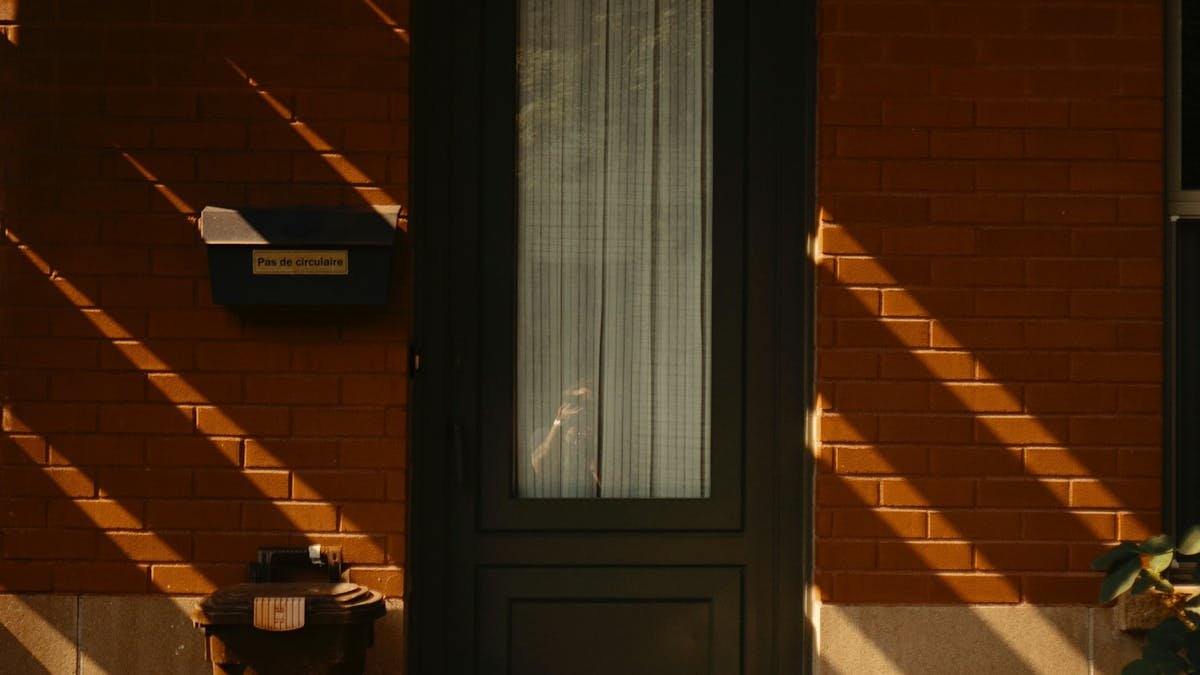
The feng shui house facing direction is the compass direction the front door faces when you stand at the door looking out. Understanding your feng shui house orientation is the first step in any serious home assessment. Not the direction the house points. Not the direction the back door faces. The facing direction is measured from inside the front door, looking outward, using a compass held at waist height away from metal objects.
Most smartphone compass apps are accurate enough for a preliminary direction of house feng shui reading, though professional assessments use a luopan (风水罗盘) for precise degree measurements. The luopan divides the compass into 24 mountains (二十四山) of 15 degrees each, providing finer resolution than the eight cardinal directions. A house facing 172.5°-187.5° is a Wu (午) facing — due south in the 24 Mountains system. A house facing 187.5°-202.5° is a Ding (丁) facing — south-southwest. The difference matters in Flying Star calculations.
For a preliminary feng shui orientation of house check: stand at the front door, face out, note the compass reading. If the reading falls near a boundary between two directions (e.g., 22° — near the north/northeast boundary), note it as a borderline case that needs precise measurement.
East Facing Home Feng Shui
An east facing home feng shui places the front door in the Zhen sector. The front door in the Zhen (震) sector — the Wood element, associated with family, growth, and new beginnings. The east-facing house receives morning sun and the rising yang energy of the day's first hours. In Flying Star terms, an east-facing house built in Period 8 (2004-2024) or Period 9 (2024-2044) has specific star combinations that depend on the exact facing mountain within the east sector.
East-facing houses generally support households with young children, creative work, and growth-phase businesses. The Wood energy of the east favors expansion, development, and flexible structures. The main consideration for feng shui home facing direction in east-facing houses: ensure the west (Dui, Metal) sector is not over-strengthened, as Metal chops Wood in the five-element cycle. Avoid heavy metal objects or predominantly white/metallic decor in the west sector. The south (Li, Fire) benefits from being activated — Fire is fed by Wood, creating a productive element cycle from east to south.
West Facing Home Feng Shui
A west facing home feng shui places the front door in the Dui sector. The front door in the Dui (兑) sector — the Metal element, associated with children, creativity, and communication. West-facing houses receive strong afternoon sun, which brings intense yang energy in the later part of the day. The west sector governs the mouth (speech, communication) and the youngest daughter in traditional Bagua associations.
In professional feng shui house facing direction assessment, west-facing houses benefit from strong earth elements in the southwest and northeast to support the Metal of the front door. The east (Zhen, Wood) sector should be monitored — too much Wood in the east can weaken the west-facing entrance through the Wood-attacks-Metal cycle. A west-facing house with a large east-side garden or wooded area should balance this with earth-element features in the central palace to mediate between Wood and Metal.
South Facing Home Feng Shui
A south facing home feng shui places the front door in the Li sector. The front door in the Li (离) sector — the Fire element, associated with fame, visibility, and recognition. South-facing houses receive sunlight throughout the day, making them the most yang-facing orientation. This suits households where visibility and social energy are priorities — public-facing professionals, businesses, and households that entertain frequently.
The feng shui orientation of house consideration for south-facing: the north (Kan, Water) sector becomes more important because Water controls Fire in the five-element cycle. A south-facing house with a bathroom or water feature in the north has natural element balance. Conversely, a south-facing house with strong Fire elements (red decor, fireplace, triangular shapes) in the south sector itself risks over-strengthening an already strong Fire — add Water or Earth elements in the south sector to moderate. In terms of feng shui house facing direction, south-facing houses built in Period 9 (Fire period) are considered particularly well-aligned with the current time cycle.
North Facing Home Feng Shui
A feng shui house facing north places the front door in the Kan (坎) sector — the Water element, associated with career, life path, and inward focus. North-facing houses receive less direct sunlight, making them more yin in character. This suits households that value privacy, focus, and inward cultivation — academics, writers, researchers, and those who work from home.
The north-facing house needs special attention to warmth and light. The south (Li, Fire) sector becomes the balancing element — keep the south sector active, well-lit, and warm to provide the yang energy that the north-facing entrance lacks. A feng shui home facing direction assessment for north-facing houses should ensure the south is not blocked, shaded, or converted to storage — the south is the natural counterbalance to the north-facing orientation.
Orientation and Personal Kua Number
House orientation interacts with personal directions. Each person has four favorable and four unfavorable directions based on their Kua number (命卦). The ideal scenario: the house faces one of your favorable directions, and your bedroom and desk also face favorable directions. The realistic scenario: at least two of three (house facing, bed direction, desk direction) align with your favorable directions.
The practical priority in feng shui house orientation assessment: house facing is the most fixed (you can't rotate a house), so if the house faces an unfavorable direction, compensate with bed and desk facing favorable directions inside the house. A house facing an unfavorable direction is not unlivable — it means the household-level energy is neutral rather than supportive, and room-level feng shui must work harder to compensate.
Your feng shui house orientation is the first piece of data in any home assessment. The feng shui orientation of house — whether east, west, south, or north facing — determines the Bagua overlay, the Flying Star chart, and the energy characteristics that affect every room. This feng shui home facing direction article has explained what each of the four primary feng shui house facing direction options means. For precise direction of house feng shui assessment, a professional feng shui house orientation consultation adds the 24 Mountains precision and personal Kua integration.
FAQ
There is no single "best" feng shui house orientation. The feng shui orientation of house that works for one household may not suit another. A professional feng shui home facing direction assessment weighs household activity, construction period, and occupant Kua numbers to make specific direction of house feng shui recommendations. A feng shui house facing direction that suits one household may not suit another. East and south are generally more yang (active, visible). North and west are generally more yin (inward, reflective). The best direction depends on household activity, the construction period, and occupant Kua numbers. A professional feng shui orientation of house assessment considers all three.
For preliminary direction of house feng shui checking, the eight cardinal directions (N, NE, E, SE, S, SW, W, NW) are sufficient. For Flying Star calculations, the 24 Mountains (15-degree increments) are needed. If your reading is near a boundary, get a precise measurement with a proper compass away from metal and electronics.
The apartment's front door orientation is primary, but the building's orientation also matters. An apartment within a south-facing building but with a north-facing apartment door gets a mix of both influences. Feng shui home facing direction for apartments also considers the floor level — higher floors receive more yang from sky exposure.
House orientation is structural — you cannot change it. But room-level adjustments can compensate. If your house faces an unfavorable direction, prioritize favorable bed and desk directions inside. Use element adjustments in the front door area to moderate the entrance energy. These are compensations, not fixes — but they meaningfully improve daily experience in a feng shui house facing direction context.
Next Step
Orientation is the foundation. A professional assessment determines your house's precise facing mountain, calculates the Flying Star chart, overlays the Bagua, and integrates your Kua number for room-level recommendations.
Book a Home Feng Shui Consultation*A professional orientation assessment includes precise luopan measurement, 24 Mountains facing determination, Flying Star chart calculation, and personal Kua direction integration.*
Get a professional assessment that applies these principles to your specific space — not generic advice.
A Home Feng Shui Consultation evaluates your home's structure, orientation, Bagua overlay, and room-by-room energy distribution. Specific recommendations based on your actual floor plan.
- Complete floor plan analysis with Bagua overlay and Flying Star chart
- Room-by-room recommendations based on compass sectors and personal Kua directions
- Structural, furniture, element, and annual adjustment plan — all four layers