
Feng Shui Architecture
Architecture is feng shui at scale. Before the paint colors and the furniture and the decorative objects, there is the building itself — its orientation on the site, its massing against the sky, the relationship between its entrance and its interior, the path from the street to the front door. These architectural decisions are feng shui decisions whether the architect knows it or not. A building that faces west with no shading strategy has made a feng shui choice — and its occupants will feel th
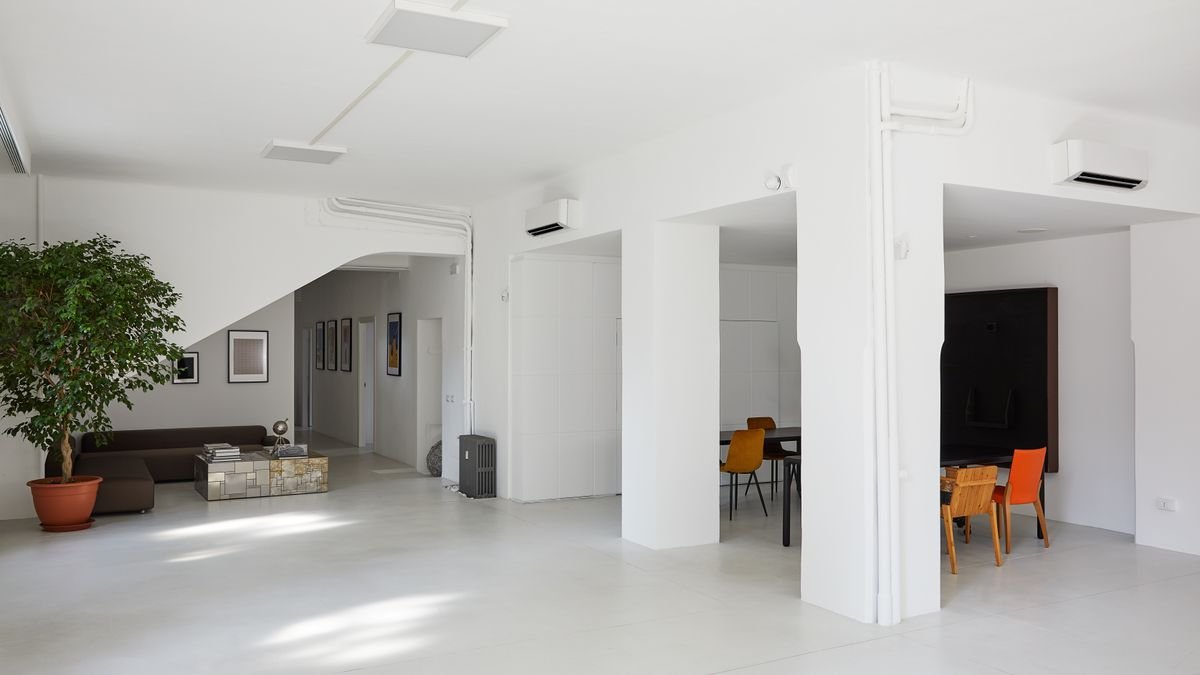
Feng Shui and Architecture: The Shared Foundation
The most surprising thing many architects discover about feng shui interior design principles is how much overlap exists with good architectural practice. Site orientation for solar exposure? Architects do this. Circulation planning to avoid dead-end corridors? Architects do this. Room placement based on function — quiet rooms away from active rooms? Architects do this. Feng shui didn't invent these principles; it systematized them within a framework that connects spatial decisions to occupant wellbeing with a consistency that architectural practice, which varies by firm and style, sometimes lacks.
Where feng shui design adds value beyond standard architectural practice: the compass-time layer. A well-oriented building designed to good architectural standards will perform well. Add the Flying Star chart — which tells you that the southeast sector of a Period 9 building has specific energy characteristics that affect the rooms in that sector — and you have a precision that standard architectural programming doesn't provide. The feng shui interior of a building benefits from knowing not just that a room is well-lit and well-proportioned, but also what energy quality (star combination) occupies that sector in this specific building's time period.
For feng shui and interior design integration, the principle is the same: design decisions (layout, lighting, materials, colors) are made within the framework of the building's compass orientation and the energy characteristics of each sector. A skilled interior designer can make any room look beautiful. A skilled interior designer with feng shui knowledge can make every room feel supportive — because the design choices reinforce rather than fight the sector's natural energy.
Specific Applications in Design
Feng Shui Lighting. Natural light is the primary qi carrier in any interior. A feng shui lighting plan considers: which rooms receive morning vs. afternoon light (yang vs. yin quality), which sectors are too dark (stagnant qi pockets), and where artificial lighting should supplement to maintain energy circulation. The south-facing rooms receive intense yang light — they need adjustable window treatments, not fixed blackout blinds. The north-facing rooms receive soft yin light — they need warm artificial lighting to add yang. A feng shui interior design lighting plan maps light quality to room function: yang light for active rooms (kitchen, living room, study), softer light for yin rooms (bedroom, meditation space).
Feng Shui Art and Artwork. Art placement in feng shui art practice follows function. A painting of turbulent water in the bedroom introduces active, draining energy to a space that needs stillness. A painting of a lonely figure in the living room introduces isolation energy to the household's primary gathering space. The content, color, and placement of feng shui artwork should support the room's function and the sector's element. A landscape with mountains in the north (Water sector, needs mountain support) reinforces career stability. A painting with red and warm tones in the south (Fire sector) activates recognition energy. The principle for feng shui wall art: the image content communicates to the subconscious every time you see it. Choose art that says what you want the room's energy to say.
Materials and Elements. Every material in feng shui interior design carries an element association. Wood (floors, furniture, paneling) is Wood element — growth, expansion. Metal (steel, chrome, brass fixtures) is Metal element — precision, clarity. Stone and ceramic are Earth element — stability, grounding. Glass and mirrors are Water element — reflection, flow. A room that is all one material (all glass, all concrete) has an element imbalance. A balanced feng shui and interior design approach uses material variety to create element harmony within each room's sector context.
Feng Shui in Different Building Types
Residential Feng Shui Architecture. The house as a complete spatial system. Orientation, entrance sequence, room-to-room relationships, internal circulation. These are the architectural-scale decisions that what is feng shui interior design at the room level cannot override. A house with ideal interior design but a front door facing a blank wall three feet away has an architectural feng shui problem that no interior adjustment can fully fix.
Commercial Feng Shui Architecture. For offices, retail spaces, and commercial buildings, feng shui interior design priorities shift from rest and relationships to visibility, circulation, and customer experience. The entrance is even more important — it's not just the household's mouth of qi, it's the business's. A retail space where customers walk in and immediately face a wall or a checkout counter has a circulation problem whether or not the interior design is attractive.
Feng Shui in Renovation. When you can't change the building, you change what's inside it. For renovation projects, feng shui interior principles work within the architectural shell — adjusting room functions to match sector energies, using materials and colors to moderate unfavorable sector conditions, and placing furniture to optimize the experience within rooms whose positions are fixed.
FAQ
Most Western architecture programs do not include feng shui, though some cover environmental design principles that overlap. Some architects specialize in feng shui-informed design, particularly for projects with clients from cultures where feng shui is an expected consideration. For mainstream practice, feng shui is typically brought in by a consultant rather than integrated by the architect.
Yes. The principles are spatial, not stylistic. A minimalist concrete-and-glass house can have excellent feng shui if the orientation, entrance, circulation, and room positions follow sound spatial principles. Feng shui architecture does not require Chinese architectural motifs — it requires spatial decisions that support the occupants.
Regular interior design prioritizes aesthetics and function. Feng shui interior design adds the compass-time layer — the sector's element, the room's Flying Star combination, the personal Kua directions of occupants. The design decisions are the same (layout, color, material, lighting); the criteria are more specific because the design must satisfy energetic as well as aesthetic requirements.
The entrance. How the building meets the street, how the front door relates to the interior, what you see and feel when you first enter. The entrance sequence — exterior to interior, public to private, yang to yin — is the most architecturally significant feng shui architecture element because it sets the energy tone for everything that follows.
Next Step
A Feng Shui Architecture assessment evaluates your building or renovation plans from site orientation through interior finishes — ensuring the spatial structure supports the occupants before decorative decisions are made.
Book a Home Feng Shui Consultation*For commercial projects, an Office Feng Shui Consultation evaluates your business space with the same feng shui architecture principles applied to commercial priorities: visibility, circulation, and customer experience.*
Get a professional assessment that applies these principles to your specific space — not generic advice.
A Home Feng Shui Consultation evaluates your home's structure, orientation, Bagua overlay, and room-by-room energy distribution. Specific recommendations based on your actual floor plan.
- Complete floor plan analysis with Bagua overlay and Flying Star chart
- Room-by-room recommendations based on compass sectors and personal Kua directions
- Structural, furniture, element, and annual adjustment plan — all four layers