Is Feng Shui Real?
If you're on this page, you're probably holding two thoughts at the same time. One: "I've heard about feng shui, and some of it seems to make sense — spaces do affect how I feel." Two: "But is it actually real, or is this just home decorating with mystical vocabulary?" You're not alone in asking is feng shui real. This article answers the question honestly: what feng shui is, what it isn't, and how to evaluate whether feng shui is real without either believing e
The Honest Answer
Feng shui is real in the sense that it is a coherent spatial practice with observable effects on how people experience spaces. It is not real in the sense that it can guarantee specific life outcomes — wealth, health, love — from furniture placement alone. Any claim that moving your bed to a certain corner will make you rich is not feng shui. It's marketing.
The is feng shui for real question hinges on what you mean by "real." If you mean "does the spatial arrangement of a room affect how people feel in it?" — the answer is yes, and this is well-established in environmental psychology under different terminology. Command position = prospect-refuge theory. Open bright hall (明堂) in front of the house = environmental preference for prospect. Mountain support behind = preference for refuge. The same spatial principles appear in modern design, architecture, and psychology — described differently but arriving at the same conclusions.
If by feng shui is real you mean "does the Flying Star chart accurately predict events based on star combinations" — this is not scientifically verifiable in the same way, and no honest practitioner should claim it is. The compass-time layer of feng shui is a traditional system that produces internally consistent results within its own framework. It is best evaluated pragmatically: does it produce useful recommendations that improve how you experience your space? If yes, the question of whether is feng shui real matters less than whether it is practically useful.
What Feng Shui Actually Is
To answer what is feng shui, start with what it's not: it's not magic, not religion, not a get-rich scheme. The real feng shui meaning is both simpler and more practical than most people assume. It is not a replacement for medical care, therapy, financial planning, or structural engineering.
Feng shui (风水, literally "wind water") is the traditional Chinese practice of evaluating and arranging spaces to work with natural energy patterns (qi) rather than against them. It originated from the practical observation that location, orientation, and spatial arrangement affect the wellbeing of inhabitants — which farming village sites were sheltered from wind, which house orientations captured winter sun, which room arrangements made daily life flow smoothly. The feng shui meaning extends from these practical beginnings through two thousand years of systematic development into the layered practice it is today.
The core idea that makes feng shui — real or not — useful: your physical environment affects you continuously and subliminally. The room you sleep in shapes every night of your sleep. The desk you work at shapes every hour of your focus. The entrance you come home through shapes every transition from outside to inside. These effects accumulate. Over months and years, spatial conditions that support you versus conditions that work against you produce measurably different outcomes — not because the space has mystical powers, but because you spend thousands of hours in it.
How to Think About Feng Shui Without Magical Thinking
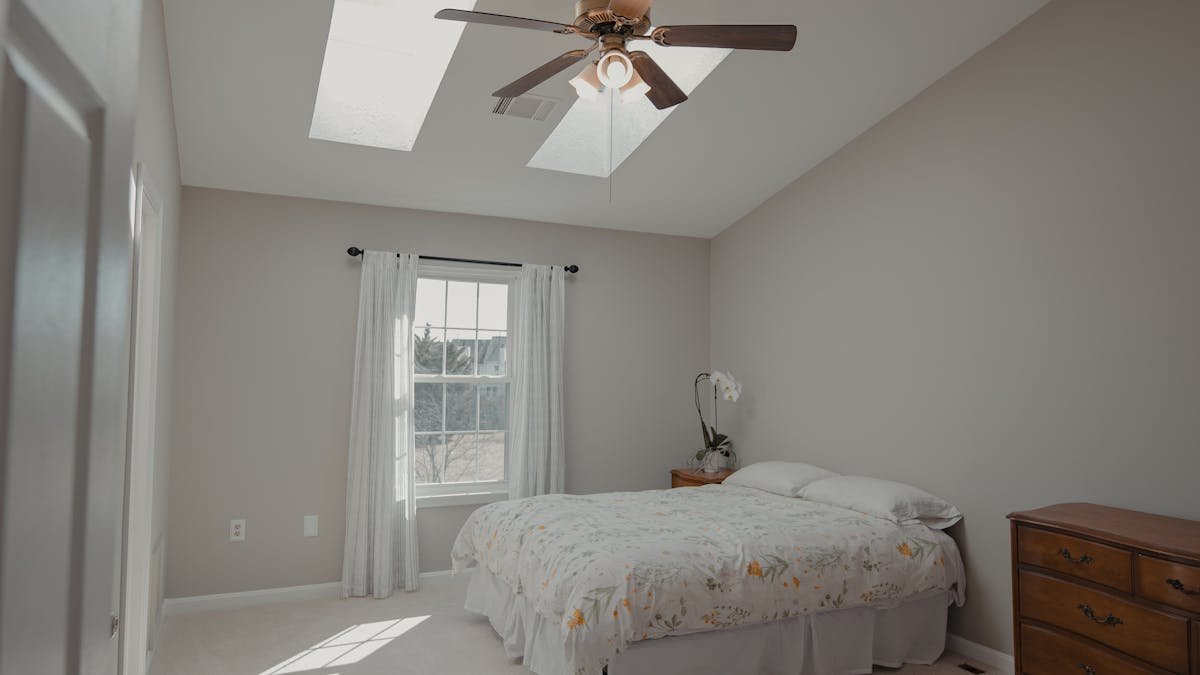
To answer is feng shui real honestly: treat feng shui as a testable spatial hypothesis rather than a belief system. If feng shui is real in the practical sense, you will observe the difference when you apply its spatial principles. The most useful way to approach the what is feng shui question: treat feng shui as a spatial hypothesis. "If I move my bed so my head has a solid wall behind it and I can see the door without being directly in line with it, I will sleep better." This is testable. Try it for two weeks. Observe. If sleep improves, the hypothesis is supported. If nothing changes, the hypothesis is not supported for you in this room. No belief required.
The same approach applies to any is feng shui real question. Don't ask "does feng shui work?" — that's too vague. Ask: "If I apply this specific feng shui principle to this specific room, what observable change do I expect, and how will I know if it happened?" This turns feng shui from a belief system into a set of testable spatial interventions. This is how honest practitioners answer is feng shui for real: not with claims, but with testable recommendations.
What you should not do: apply a feng shui principle, see no change in two days, and conclude feng shui doesn't work. Spatial effects are cumulative. A bed position that drains your energy does so over months, not hours. A bed position that supports rest shows its effects over weeks of consistent sleep, not over one night. The is feng shui for real answer depends on understanding that spatial effects are cumulative.
The question is feng shui real is ultimately answered through experience, not argument. Apply the spatial principles from this article — command position for your bed, clear front door, solid wall behind your head — and observe the results over two weeks. Whether feng shui is real in the way that matters is something only your direct experience can confirm. The feng shui meaning becomes clear when you feel the difference between a room that supports you and one that works against you. For those still asking is feng shui for real, the most honest answer is: test it. A professional what is feng shui consultation provides specific, testable recommendations for your actual space.
FAQ
The spatial principles — command position, prospect-refuge, importance of natural light, effects of clutter on stress — are consistent with environmental psychology research. The compass-time layer (Flying Stars, period calculations) is a traditional system, not subject to the same verification method. The honest is feng shui real answer: the spatial part is consistent with how we know people respond to spaces; the time-based part is a systematic traditional framework whose value is best judged by its practical results.
No. Feng shui can create spatial conditions that support your efforts in these areas. A well-placed desk supports focused work — which may lead to better career outcomes. A well-placed bed supports restorative sleep — which contributes to health. A well-arranged bedroom supports relationship harmony — which helps partnerships. The space supports; you do the living. Any promise beyond "support" is not feng shui is real — it's a sales pitch.
Because people apply feng shui at different levels of rigor. Someone who checks their front door, bed position, and desk command position — the structural basics — is working with spatial principles that produce observable effects. Someone who buys a "wealth-attracting" crystal without checking whether the wealth corner is a bathroom is engaging in decoration with feng shui vocabulary. The second person's dismissal is as invalid as the first person's endorsement if neither understands what they're actually evaluating.
No. Think of qi as circulation — of air, light, movement, attention. A room with good circulation feels different from a room with stagnant air. That difference doesn't require belief in an invisible energy; it's perceptible. The traditional concept of qi describes what the room is already doing; believing in it doesn't change the circulation; improving the circulation is what matters. The feng shui meaning in daily life is more important than its ontological status.
If spatial arrangement affects how you feel — and environmental psychology confirms it does — then feng shui's spatial principles produce real effects regardless of belief. The question is feng shui for real has the same answer as "does a room with a window feel different from a room without one?" The difference is real, measurable, and independent of whether you believe in windows.
Next Step
Feng shui is best evaluated through experience, not argument. A professional assessment applies spatial principles to your specific situation — and you judge the results by how your space feels afterward.
Book a Home Feng Shui Consultation*A consultation gives you specific, testable recommendations for your actual space — the most honest way to evaluate whether feng shui makes a difference for you.*
Get a professional assessment that applies these principles to your specific space — not generic advice.
A Home Feng Shui Consultation evaluates your home's structure, orientation, Bagua overlay, and room-by-room energy distribution. Specific recommendations based on your actual floor plan.
- Complete floor plan analysis with Bagua overlay and Flying Star chart
- Room-by-room recommendations based on compass sectors and personal Kua directions
- Structural, furniture, element, and annual adjustment plan — all four layers